
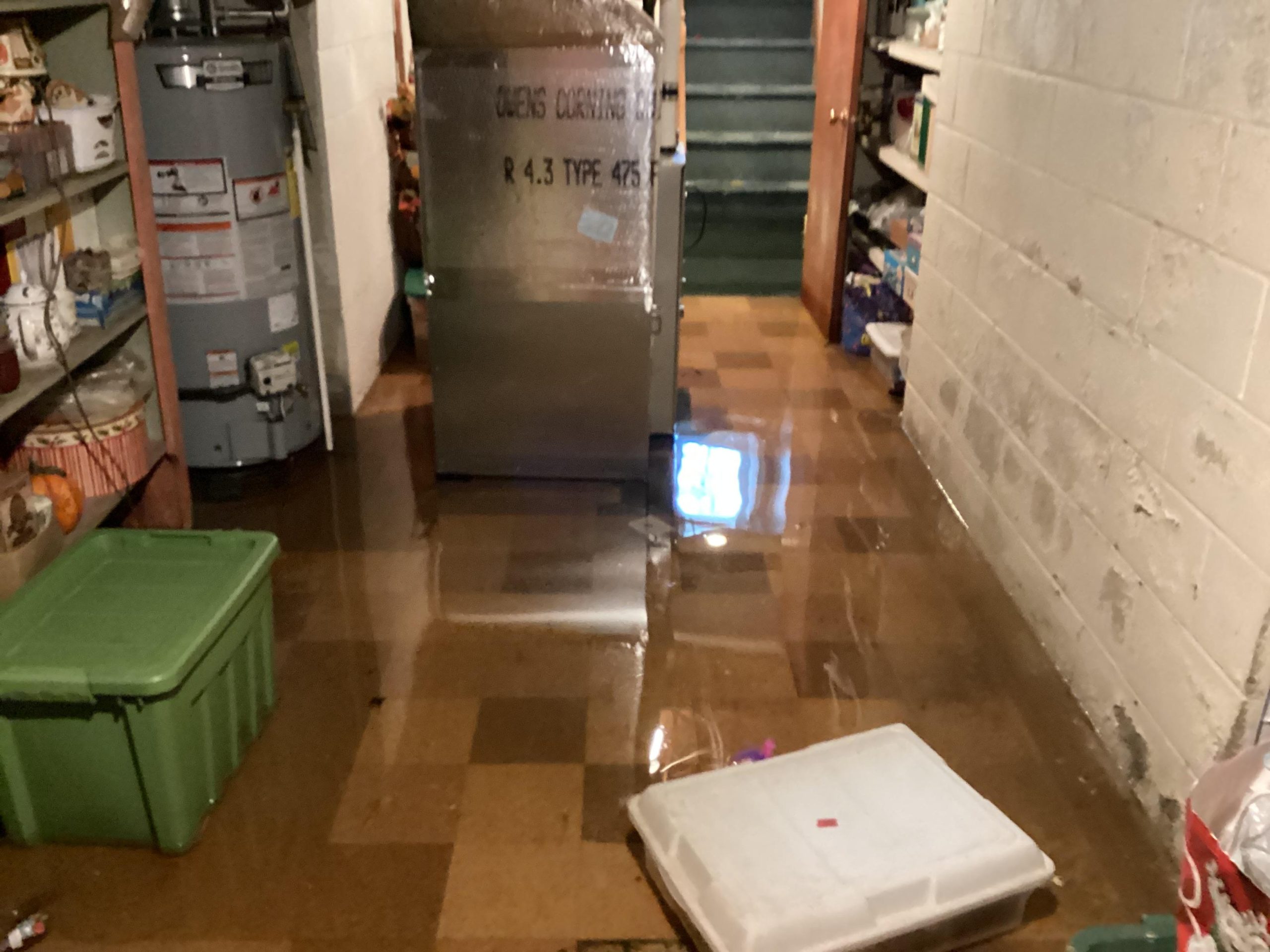
Written by Major Restoration | Published on July 2025
In most cases, yes, drywall that has been exposed to sewage backup water needs to be replaced entirely. Sewage contains category 3 water, which is classified as black water and carries bacteria, viruses, and pathogens that cannot be safely removed from porous materials like drywall.
This post covers how to assess the damage, what factors determine whether drywall can stay, what the replacement process looks like, and what York, PA homeowners should expect in terms of cost and timeline.
Understand Why Sewage Backup Is Different from a Pipe Leak
Not all water damage is the same. Restoration professionals use a three-category system to classify water damage based on contamination level.
- Category 1: Clean water from supply lines or rain. Drywall can sometimes be dried and saved.
- Category 2: Gray water from washing machines or dishwashers. Drywall replacement is often recommended.
- Category 3: Black water from sewage, flooding, or toilet overflows. Replacement is almost always required.
Sewage backup falls squarely in category 3. The water carries raw waste, E. coli, hepatitis, and other dangerous contaminants. These pathogens absorb into drywall instantly and cannot be sanitized out with surface cleaning or antimicrobial sprays.
Attempting to dry and keep sewage-soaked drywall creates a hidden health hazard inside your walls. Mold growth typically begins within 24 to 48 hours of exposure, compounding the problem further.
Identify the Signs That Drywall Must Be Removed
Even if the drywall looks dry or only slightly discolored, there are clear indicators that removal is necessary. Knowing these signs can help you make faster decisions and avoid a secondary mold problem down the road.
- The drywall was submerged in or directly splashed by sewage water
- There is any soft, spongy, or crumbling texture when you press on the surface
- Visible dark staining at or above the waterline has appeared
- There is a persistent odor even after surface cleaning
- Mold spots are visible on the surface or at the base of the wall
- The wall was wet for more than 24 hours before drying began
- The area behind the wall, including insulation, was also exposed
If the drywall meets any of these conditions, replacement is the right call. Major Restoration regularly sees cases in York where homeowners tried to dry and paint over sewage-damaged drywall, only to call us back months later with a full mold remediation problem.
Compare Drywall Replacement vs. Drying in Place
Here is a side-by-side comparison to help you understand what each approach actually involves and what it costs.
| Factor | Drying in Place (Not Recommended for Sewage) | Full Drywall Replacement |
|---|---|---|
| Applicable water category | Category 1 only | Category 2 and Category 3 |
| Contaminant removal | Incomplete, pathogens remain | Complete, material is removed |
| Mold risk | High, especially behind walls | Low when done correctly |
| Health risk long-term | Significant | Minimal after proper remediation |
| Average cost range | $500 to $1,500 for drying equipment | $1,500 to $5,000+ depending on scope |
| Insurance coverage | Varies | Often covered with sewer backup rider |
| Recommended by IICRC standards | No, for black water | Yes |
The cost difference might feel significant upfront, but choosing the cheaper option on sewage-damaged drywall almost always leads to a larger and more expensive problem later.
Walk Through the Drywall Replacement Process
Replacing drywall after a sewage backup is not a simple renovation job. It is a multi-step remediation process that requires proper containment, personal protective equipment, and waste disposal.
Here is how a professional remediation team handles it:
- Containment: The affected area is sealed off with plastic sheeting to prevent cross-contamination to other rooms.
- PPE and safety: Technicians wear respirators, gloves, Tyvek suits, and eye protection before entering the space.
- Water extraction: Any standing sewage water is removed using truck-mounted extractors.
- Drywall removal: Drywall is cut and removed at least 12 inches above the highest waterline. In severe cases, entire wall sections come out.
- Insulation removal: Any wet or contaminated insulation behind the drywall is bagged and disposed of as biohazardous waste.
- Structural drying: Industrial air movers and dehumidifiers dry the exposed framing before anything is rebuilt.
- Antimicrobial treatment: Exposed framing and subfloor are treated with an EPA-registered antimicrobial solution.
- Clearance testing: Moisture readings are taken to confirm the structure is dry before reinstallation begins.
- Drywall reinstallation: New moisture-resistant drywall is installed, taped, mudded, and prepared for painting.
This process typically takes three to seven days from start to finish depending on the scope, though larger losses in York homes with finished basements can take longer.
Review Typical Costs for Sewage Drywall Replacement in York, PA
Costs vary based on how much square footage was affected, whether insulation needs replacing, and the extent of any mold growth found during demolition.
| Scope of Damage | Estimated Drywall Replacement Cost | Typical Timeline |
|---|---|---|
| Small area, one wall section under 50 sq ft | $800 to $1,800 | 2 to 4 days |
| Single room, 100 to 200 sq ft affected | $2,000 to $4,500 | 4 to 6 days |
| Finished basement, full room | $4,500 to $9,000+ | 7 to 14 days |
| Multiple rooms or hallways affected | $8,000 to $15,000+ | 10 to 21 days |
York, PA has many homes built in the 1960s through 1980s with older clay sewer lines that are prone to root intrusion and backups. These older systems tend to cause more extensive damage when they fail because the backup often affects larger areas of the home before it is noticed.
If your home has a finished basement, the cost can increase significantly because flooring, drop ceilings, and trim all need to be addressed alongside the drywall.
Know What Your Insurance May Cover in York, PA
Standard homeowners insurance policies in Pennsylvania do not automatically cover sewage backup damage. Coverage typically requires a separate sewer backup endorsement or rider added to your policy.
Here is what to know before you file a claim:
- Check your policy declarations page for a sewer backup or water backup rider
- Document all damage with photos and video before any cleanup begins
- Do not throw away damaged materials until your adjuster has reviewed the loss
- Ask your insurer whether they require a specific licensed contractor for the work
- Get a written scope of work from your restoration company for the adjuster
- Keep receipts for any emergency mitigation costs, including hotel stays if the home is uninhabitable
Major Restoration works directly with homeowners and insurance adjusters throughout York County. We can provide documentation, moisture readings, and detailed scopes of work to help move your claim forward faster.
FAQs on Drywall Replacement After Sewage Backup
Can I clean and keep drywall that was only slightly touched by sewage water?
Even minor contact with category 3 sewage water contaminates drywall. Pathogens absorb instantly into the paper and gypsum core. Surface cleaning does not eliminate the contamination, and replacement is strongly recommended by IICRC S500 standards.
How long do I have before mold becomes a problem after sewage backup?
Mold can begin growing on wet drywall within 24 to 48 hours. In humid York summers, that window can be even shorter. Starting the remediation process within the first 24 hours dramatically reduces the risk of secondary mold growth.
Do I need a permit to replace drywall after a sewage backup in York, PA?
Simple drywall replacement typically does not require a permit in York. However, if the backup damaged plumbing, electrical systems, or structural components, permits may be needed for those repairs. A licensed contractor can confirm what applies to your specific situation.
What type of drywall should be used when rebuilding after a sewage backup?
Moisture-resistant drywall, sometimes called green board or purple board, is recommended for areas like basements, bathrooms, and utility rooms that are prone to moisture. It costs slightly more than standard drywall but provides better long-term resistance in damp environments.
Can I do the drywall replacement myself after a sewage backup?
DIY drywall replacement is not recommended after sewage backup. Without proper containment and PPE, you risk spreading contamination to clean areas of your home and exposing yourself to dangerous pathogens. Licensed remediation professionals have the equipment and certifications to do this safely.
How do I know when the drywall replacement is actually done correctly?
A properly completed job includes moisture readings below 15 percent in all structural materials, documentation of the antimicrobial treatment applied, and a visual inspection confirming no mold growth on framing. Ask your contractor to provide clearance documentation before rebuild work begins.
Wrap Up and Next Steps
After a sewage backup, drywall that was exposed to black water almost always needs to come out. Trying to dry it in place puts your family’s health at risk and typically leads to bigger problems down the road.
The process, while disruptive, is manageable when handled by an experienced team. If you are dealing with a sewage backup in York, PA, Major Restoration is ready to respond quickly, assess the damage honestly, and guide you through every step of the restoration process.
Call Major Restoration today or request a free on-site assessment. We serve York and the surrounding communities and can typically respond within hours of your call.