
Homeowners insurance covers mold remediation only when the mold is caused by a sudden, covered peril like a burst pipe, roof leak from a storm, or accidental water discharge. Most standard policies exclude mold that grows from long-term neglect, high humidity, or flooding. In York, PA, where humid summers and aging housing stock are common, knowing the difference can save you thousands of dollars.
This guide covers when your policy is likely to pay, when it won’t, what typical coverage limits look like, and what steps to take right after you discover mold in your home.
Understand When Homeowners Insurance Covers Mold
Insurance companies use one key test: was the mold caused by a covered peril? A covered peril is a specific event your policy lists as eligible for a claim. If mold grew because of that event, you may have coverage.
Common covered perils that can lead to a mold claim include sudden pipe bursts, ice dam water intrusion, accidental appliance overflow, and storm-driven rain entering through a damaged roof. These are events that happen fast and without warning.
What insurers will deny is mold that developed slowly over weeks or months. If a slow leak under your sink went unnoticed for two months and caused mold, most carriers will argue the damage resulted from neglect, not a sudden event. That distinction matters a lot when your adjuster reviews your claim.
- Burst or frozen pipe causing wall or ceiling mold: often covered
- Washing machine hose failure flooding a room: often covered
- Roof damage from a named storm allowing water intrusion: often covered
- Mold from chronic bathroom condensation: typically excluded
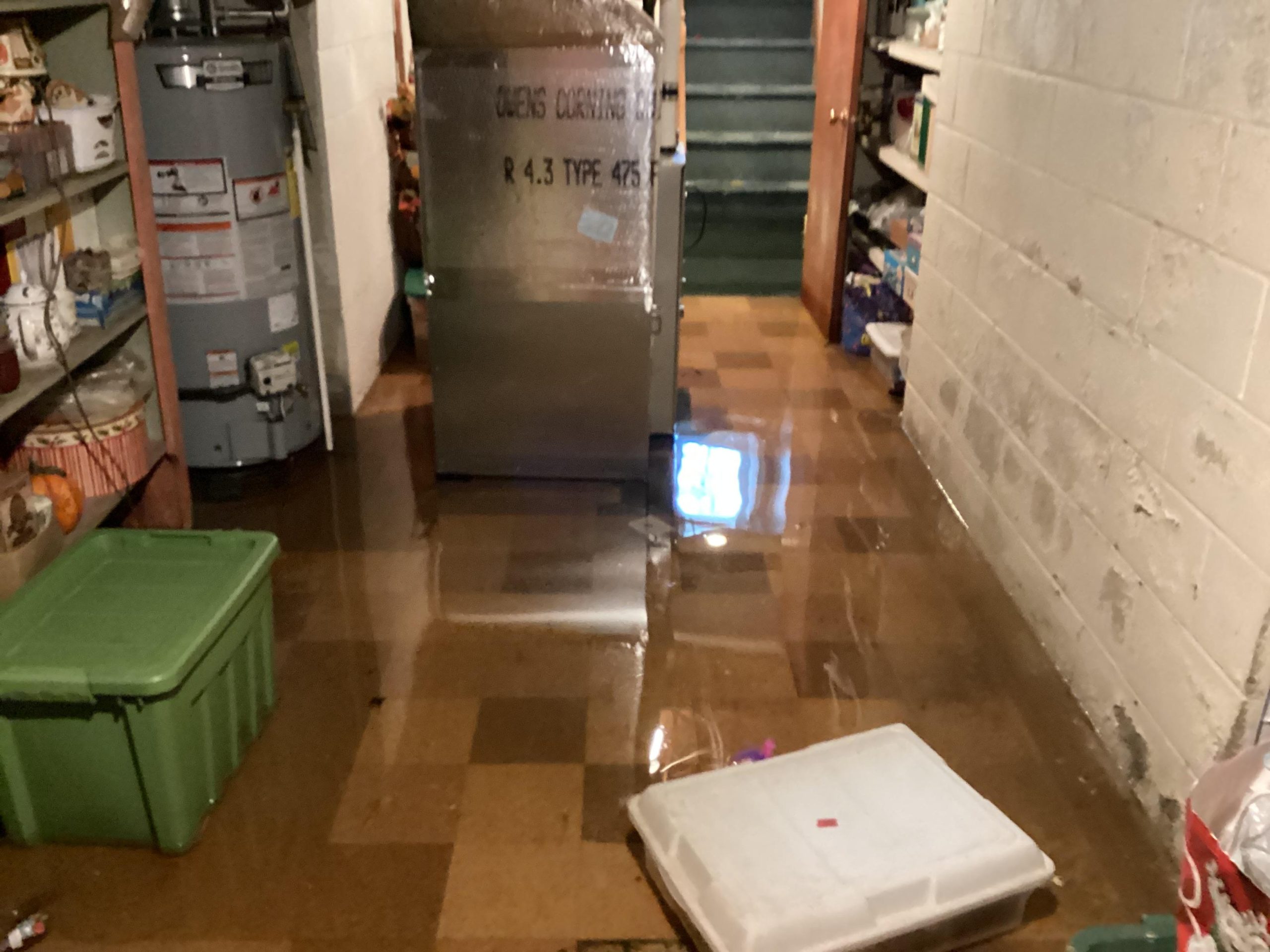
- Mold following a basement flood from heavy rain: typically excluded unless you have flood coverage
- Mold from a slow, undetected plumbing leak: typically excluded
Reading your specific policy declarations page is the only way to confirm your coverage. Call your agent before assuming anything is covered or excluded.
Compare Common Mold Coverage Limits and Policy Types
Even when mold remediation is covered, policies almost always cap how much they will pay. These caps vary widely by insurer and policy tier. Here is a general breakdown of what you can expect from common homeowners policy types in Pennsylvania.
| Policy Type | Typical Mold Coverage Limit | Notes |
|---|---|---|
| Standard HO-3 | $1,000 to $10,000 | Most common policy; mold usually sublimited |
| HO-5 (open peril) | $5,000 to $15,000 | Broader coverage but still caps mold |
| Policy with mold rider | $10,000 to $50,000+ | Optional add-on; costs extra premium |
| No mold coverage | $0 | Some budget policies exclude mold entirely |
Mold remediation for a mid-sized York home can easily run $3,000 to $15,000 depending on the area affected, the mold species present, and how far it has spread into building materials. A $1,000 cap leaves a significant gap.
If your current policy has a low mold sublimit, ask your agent about adding a mold endorsement. It usually adds a modest amount to your annual premium and can be worth it in a humid mid-Atlantic climate like York, PA.
Identify What Homeowners Insurance Does Not Cover for Mold
Insurance companies exclude mold in several clear situations. Understanding these exclusions helps you decide whether to file a claim or handle costs out of pocket, and whether you need to look at other coverage options.
- Flood-related mold: standard policies never cover flooding. You need a separate NFIP or private flood policy for that.
- Gradual water damage: leaks that built up over time, even from a covered system like plumbing, are often denied.
- Maintenance failures: mold from a roof that was known to need repair is unlikely to be covered.
- Pre-existing mold: if the mold was present before your current policy started, it will not be covered.
- Mold in detached structures: coverage for garages or sheds may be separate and may have different mold rules.
York, PA sits in a region with frequent summer thunderstorms and occasional hurricane remnants. Basement flooding from groundwater or surface runoff is not covered by standard homeowners insurance. If your basement has mold after a heavy rain event, you will likely need to pay out of pocket unless you carry flood coverage.
Review How the Mold Claim Process Works in Pennsylvania
Filing a mold claim is not always straightforward. Pennsylvania does not have a specific state law that forces insurers to cover mold, so coverage depends entirely on your individual policy language. Here is what the typical claim process looks like.
- Document the damage immediately with photos and video before touching anything.
- Report the claim to your insurance company as soon as possible. Delays can hurt your case.
- Ask your insurer to send an adjuster. The adjuster will assess whether the source of the mold is a covered peril.
- Get an independent mold inspection from a certified industrial hygienist to support your claim with objective data.
- Obtain a written remediation estimate from a licensed company like Major Restoration before work begins.
- Keep all receipts, invoices, and correspondence. Your insurer may request documentation at every stage.
One important note: do not delay remediation waiting for your claim to be approved. Mold spreads fast, especially in summer humidity. Document everything first, then begin mitigation. Waiting too long can actually give your insurer a reason to reduce your payout due to failure to mitigate.
Major Restoration works with homeowners in the York area through the claims process and can provide detailed documentation that adjusters need to process mold remediation claims accurately.
Estimate Mold Remediation Costs in York, PA
Knowing real cost ranges helps you understand how much of your own money may be at risk. Mold remediation pricing depends on square footage affected, the type of mold, and which materials need to be removed or treated.
| Scope of Mold Problem | Estimated Cost Range | Common Locations |
|---|---|---|
| Small surface area (under 10 sq ft) | $500 to $1,500 | Bathroom tile, small ceiling patch |
| Medium affected area (10 to 100 sq ft) | $1,500 to $5,000 | Bathroom walls, crawl space section |
| Large area (100 to 300 sq ft) | $5,000 to $12,000 | Basement, multiple rooms |
| Whole-home or attic mold | $12,000 to $30,000+ | Attic decking, full basement systems |
Attic mold is especially common in York-area homes with poor ventilation or ice dam damage from winter storms. Attic remediation often requires HEPA vacuuming, antimicrobial treatment, and sometimes full sheathing replacement, all of which push costs toward the higher end of these ranges.
Air quality testing before and after remediation adds another $300 to $700 but provides clearance documentation your insurer may require to close the claim properly.
Take the Right Steps After Discovering Mold in Your York Home
Acting quickly and correctly after finding mold gives you the best chance of a successful insurance claim and limits how far the mold spreads. Here is what to do and what to avoid.
- Do call a professional remediation company right away. Major Restoration serves York and surrounding York County communities and can respond quickly to assess the situation.
- Do isolate the area if possible. Close doors and turn off HVAC to avoid spreading spores to other rooms.
- Do contact your insurance agent the same day to report potential water damage and mold.
- Do not attempt to bleach or paint over large mold areas. This does not kill mold inside porous materials and will not satisfy an insurer or future home inspector.
- Do not throw away damaged materials before your adjuster sees them. You need physical evidence of the source and extent of the damage.
- Do not run fans directly on visible mold. Airflow can spread spores throughout the home before containment is set up.
York’s older housing stock, including many homes built before 1980, often contains materials like plaster, old drywall, and wood framing that absorb moisture quickly and are especially hospitable to mold growth. Older homes may also have less vapor barrier protection in crawl spaces, which makes professional assessment even more important.
FAQs on Does Homeowners Insurance Cover Mold Remediation
Does homeowners insurance cover mold remediation if the mold came from a leaky roof?
It depends on how the roof leak started. If the leak was caused by a sudden storm event like wind or hail damage, your policy may cover both the roof repair and resulting mold. If the roof was already deteriorating and the leak developed gradually, most insurers will deny the mold claim as a maintenance issue.
Will my insurance go up if I file a mold claim?
Filing any claim can affect your premium at renewal, and mold claims are no exception. Some insurers view mold claims as a signal of ongoing moisture problems in the home. It is worth discussing with your agent whether the claim amount justifies the potential rate impact before you file.
Does homeowners insurance cover mold in a crawl space?
Crawl space mold coverage depends on the source. Mold from a burst pipe or covered water event may be eligible for a claim. Mold from ground moisture, poor ventilation, or flooding from outside groundwater is typically excluded from standard policies. A mold endorsement or separate flood policy may help fill that gap.
How long does mold remediation take in a typical York, PA home?
Most residential mold remediation projects take two to five days depending on the size of the affected area. Larger projects involving attics, multiple rooms, or structural materials can take one to two weeks. Your remediation company should provide a clear scope of work and timeline before starting.
Can I do mold remediation myself and still file an insurance claim?
You can attempt small-scale cleanup on your own, but insurers generally expect professional remediation for any claim they are paying. DIY cleanup without proper containment and documentation can actually weaken your claim. For anything beyond a few square feet, professional remediation is the safer path both for your health and your insurance case.
What if my insurance denies my mold remediation claim?
You have the right to appeal a denied claim in Pennsylvania. Start by requesting the denial in writing and asking for the specific policy language used to deny coverage. You can hire a public adjuster to advocate on your behalf, or consult a Pennsylvania insurance attorney if the denial seems unjustified based on your policy terms.
Wrap Up and Next Steps
Homeowners insurance does cover mold remediation in some cases, but only when the mold is tied directly to a covered peril, and coverage limits mean you may still owe a significant portion out of pocket. Knowing your policy, acting fast, and documenting everything are the three most important things you can do when mold appears in your home.
If you have found mold in your York, PA home, do not wait. Contact Major Restoration for a professional assessment, accurate documentation, and expert remediation that meets insurance standards. Call us today or request a quote online to get started right away.