
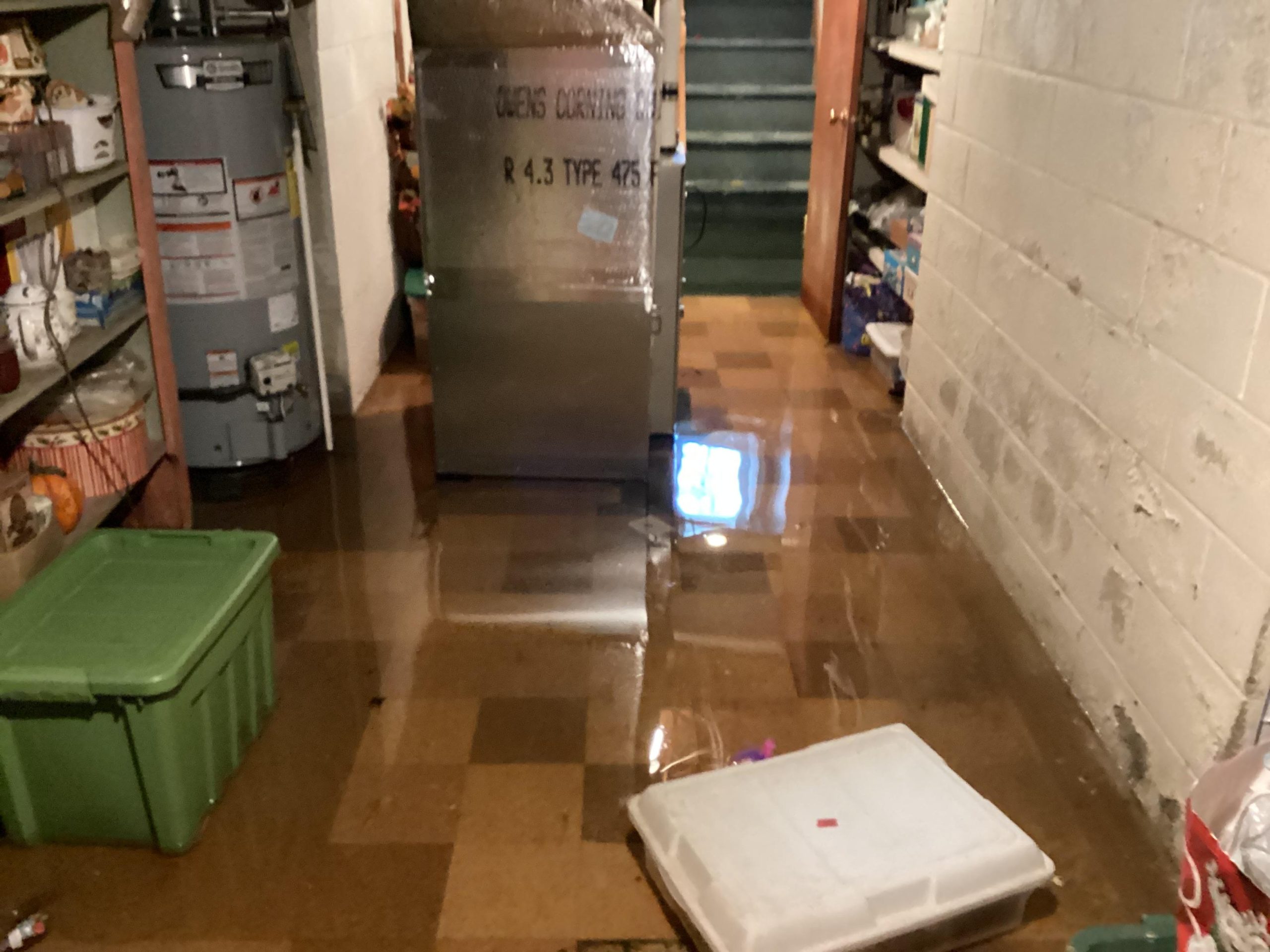
Homeowners insurance may cover biohazard cleanup, but only in specific circumstances, and the answer depends on your policy language, the type of biohazard, and how the contamination happened. Coverage is not automatic, and many York, PA homeowners are surprised to learn their standard policy has significant gaps. This article walks you through what insurers typically cover, what they exclude, and how to give your claim the best possible chance of approval.
Understand What Counts as a Biohazard for Insurance Purposes
Insurance companies define biohazard broadly, but they do not treat every situation the same way. Knowing which category your situation falls into is the first step before you even call your insurer.
- Unattended death or trauma scenes including suicides, homicides, or accidents involving blood or bodily fluids
- Sewage backups that contain raw waste and contaminate living areas
- Hoarding cleanup when the property has been condemned or deemed a health hazard
- Animal infestations that leave behind feces, urine, or carcasses posing a biological risk
- Drug lab contamination such as methamphetamine residue in walls and surfaces
- Infectious disease contamination from events like a hospitalized resident returning to a compromised home
Each of these triggers a different insurance response. Sewage backups, for example, are often covered under a water damage rider, while unattended deaths may fall under a liability or dwelling coverage clause. Drug lab contamination is almost always excluded entirely.
Know Which Biohazard Situations Insurance Usually Covers
Standard homeowners insurance is built around sudden and accidental losses. That framing matters a lot when it comes to biohazard claims.
| Biohazard Type | Typical Coverage Status | Coverage Section |
|---|---|---|
| Sewage backup | Often covered with endorsement | Water damage rider |
| Unattended death (accidental) | Sometimes covered | Dwelling or additional living expenses |
| Crime scene cleanup (break-in) | Sometimes covered | Vandalism or theft clause |
| Trauma scene (self-inflicted) | Varies by insurer | Dwelling coverage |
| Mold from covered water event | Often covered up to a sublimit | Mold remediation endorsement |
| Animal infestation damage | Rarely covered | Excluded under maintenance |
| Drug lab contamination | Almost never covered | Illegal activity exclusion |
The key distinction insurers make is whether the event was sudden, accidental, and outside your control. If the contamination built up over time or resulted from neglect, expect a denial.
Identify Common Exclusions That Catch York Homeowners Off Guard
York, PA has a mix of older housing stock, including many homes built before 1970. These properties can have pre-existing conditions that insurers use to justify denying biohazard claims.
Here are the most common exclusions you need to know before filing:
- Gradual contamination: If the biohazard developed slowly over weeks or months, insurers call it a maintenance issue and deny the claim
- Neglect: Hoarding situations or properties that were not maintained are typically excluded
- Illegal activity: Any contamination tied to criminal activity, including drug production, is excluded in almost every policy
- Tenant-caused damage: If you are a landlord in York and a tenant created the biohazard, your homeowners policy may not cover a rental property at all
- Pre-existing conditions: If an inspector can show the problem existed before your policy started, the claim will likely be denied
- Mold sublimits: Even when mold is covered, many policies cap it at $5,000 to $10,000, which is rarely enough for serious remediation
Reading your policy declarations page carefully before an emergency happens is one of the most useful things you can do as a homeowner.
Compare Biohazard Cleanup Costs to Understand What Is at Stake
If insurance does not cover your situation, or only covers part of it, you need to know what you are likely paying out of pocket. Costs in the York, PA region typically fall within these ranges.
| Type of Biohazard Cleanup | Estimated Cost Range | Factors That Affect Price |
|---|---|---|
| Unattended death scene | $2,000 to $25,000+ | Time elapsed, room size, materials affected |
| Sewage backup cleanup | $1,500 to $15,000 | Area flooded, contamination level, drying time |
| Trauma or crime scene | $1,500 to $10,000 | Extent of blood or fluid, surface types |
| Mold remediation | $500 to $30,000 | Square footage, location, severity |
| Hoarding cleanup | $1,000 to $20,000 | Volume of debris, biohazard level, labor hours |
| Animal infestation cleanup | $500 to $5,000 | Species, location, contamination spread |
These numbers illustrate why insurance coverage matters so much. A sewage backup that goes undetected for even 48 hours in a York basement can easily cost $8,000 or more once drying, disinfection, and structural repairs are factored in.
Learn How to File a Biohazard Insurance Claim the Right Way
Filing a biohazard claim is not the same as filing a standard water damage or fire claim. The documentation requirements are stricter and the potential for denial is higher.
Follow these steps to give your claim the strongest possible foundation:
- Do not disturb the scene until you have photographs and video of all affected areas. This documentation is your primary evidence.
- Call your insurer immediately and report the event as a sudden and accidental loss if that description applies.
- Request a written copy of your policy exclusions so you know exactly what language the adjuster will use during review.
- Hire a licensed biohazard restoration company like Major Restoration before cleanup begins so a professional can document the scope of damage in writing.
- Get an itemized written estimate from your restoration contractor. Adjusters are more likely to approve specific line items than vague totals.
- Follow up in writing after every phone call with your insurer. Create a paper trail.
- Appeal if denied. Many first-time biohazard claims are denied and then successfully overturned on appeal with proper documentation.
Major Restoration works with homeowners in York and throughout York County on the documentation and scope-of-work side of insurance claims. Having a professional involved early often makes a measurable difference in claim outcomes.
Explore Policy Add-Ons That Improve Your Biohazard Coverage
Standard homeowners policies were not designed with biohazard cleanup in mind. But several endorsements and riders can close the most common gaps.
If you are reviewing your policy or shopping for new coverage in Pennsylvania, ask your agent about these additions:
- Sewage backup endorsement: Adds coverage for drain and sewer backups, which are excluded from most base policies
- Service line coverage: Covers breaks in underground utility lines that can introduce contamination
- Mold remediation rider: Raises the mold sublimit from the standard $5,000 up to $25,000 or more
- Extended dwelling coverage: Expands what counts as a covered loss under the dwelling section of your policy
- Landlord or rental property policy: Replaces standard homeowners coverage if you rent out a York property, and may include tenant damage provisions
Pennsylvania law does not require insurers to offer biohazard-specific riders, so availability varies by carrier. Erie Insurance and Donegal Insurance, both of which have strong regional presence in York, PA, offer several of these endorsements. Ask your agent for a coverage review if you have not had one in the last two years.
FAQs on Homeowners Insurance and Biohazard Cleanup
Will insurance pay for cleanup after someone dies in my home?
It depends on the circumstances and your policy. If the death was accidental and the scene requires professional remediation, many dwelling policies will contribute to cleanup costs. Policies vary significantly, so call your insurer before you do anything and document the scene thoroughly.
Does homeowners insurance cover sewage backup cleanup in York, PA?
Not under a standard policy. Sewage backup coverage requires a separate endorsement that many homeowners in York skip because it seems optional. Given that older sewer infrastructure is common in parts of York County, this rider is worth adding. It typically costs $50 to $150 per year.
What if my insurance claim for biohazard cleanup is denied?
You have the right to appeal. Request the denial in writing, identify the specific exclusion cited, and gather documentation that counters the insurer’s reasoning. Hiring a public adjuster or having your restoration company provide a detailed scope report can significantly improve your appeal outcome.
How long does biohazard cleanup take, and does insurance cover temporary living expenses?
Cleanup timelines range from one day for minor scenes to two or three weeks for severe contamination. If your home is uninhabitable during cleanup, your policy’s Additional Living Expenses clause may cover hotel and meal costs. Confirm this with your adjuster before you relocate.
Does insurance cover biohazard cleanup in a rental property I own?
Standard homeowners policies generally do not cover rental properties. You need a landlord policy or dwelling fire policy for rental units. Some landlord policies include tenant damage provisions that cover biohazard cleanup costs caused by tenants, but limits are usually modest.
Is mold always considered a biohazard for insurance purposes?
Not always. Insurers treat mold as a biohazard only in certain contexts, and most have specific mold exclusions or sublimits. Mold that results from a covered water event, like a burst pipe, is more likely to get partial coverage than mold from long-term humidity or neglected leaks.
Wrap Up and Next Steps
Homeowners insurance can cover biohazard cleanup, but only under the right conditions, and the process requires fast action, solid documentation, and a clear understanding of your policy language. York homeowners dealing with a biohazard situation should treat insurance documentation as a priority from the very first hour.
Major Restoration is based in York, PA and responds to biohazard situations throughout York County. Our team documents damage, works alongside insurance adjusters, and handles cleanup safely and professionally. Call us today to get a written assessment and start the process the right way.