
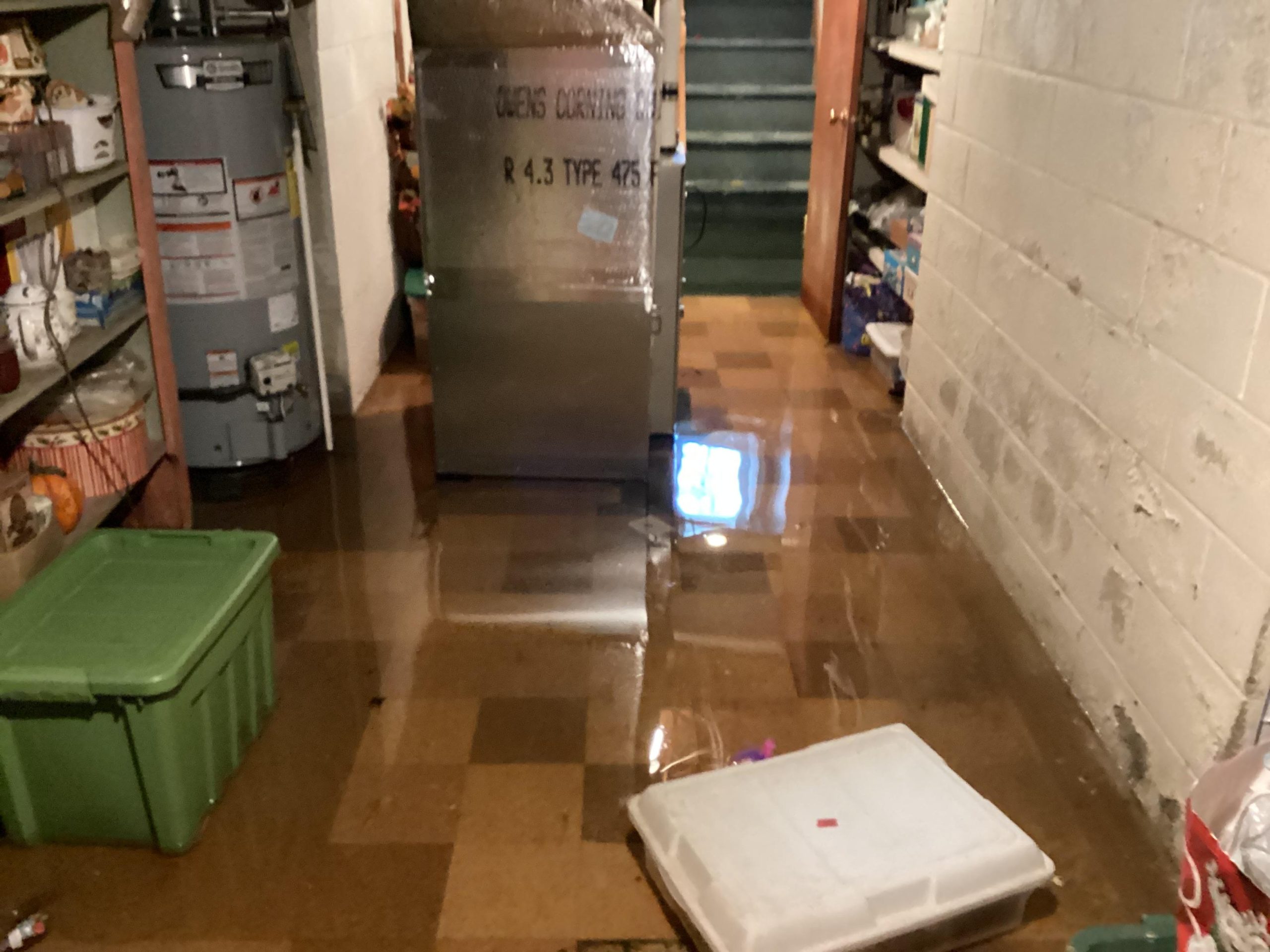
Insurance pays for reconstruction after property damage by reimbursing you based on your policy type, either actual cash value or replacement cost value, which can range from a few thousand dollars to well over $200,000 for major structural repairs. The process involves filing a claim, receiving an adjuster inspection, getting an approved estimate, and working with a licensed contractor to complete repairs. This guide covers every step York, PA homeowners need to understand, including timelines, payment structures, and how to avoid costly mistakes.
Understand How Insurance Coverage Types Affect Your Payout
The single biggest factor in how much your insurance pays is whether your policy uses Actual Cash Value (ACV) or Replacement Cost Value (RCV). These two coverage types can result in dramatically different payouts for the same damage.
ACV policies pay you the depreciated value of what was damaged. If your 15-year-old roof was destroyed, the insurer calculates what that roof is worth today, not what a new one costs. RCV policies pay the full cost to replace the damaged property with new materials and labor.
| Coverage Type | How It Pays | Best For | Typical Payout Example |
|---|---|---|---|
| Actual Cash Value (ACV) | Depreciated value of damaged property | Lower premiums, older homes | $8,000 on a $20,000 roof claim |
| Replacement Cost Value (RCV) | Full cost to rebuild or replace | Newer homes, maximum protection | $20,000 on the same roof claim |
| Extended Replacement Cost | RCV plus an extra buffer (10-50%) | Areas with rising construction costs | $22,000-$30,000 on the same claim |
If you have an RCV policy, insurers often release payment in two stages. First they pay ACV, then release the remaining depreciation holdback once repairs are completed and verified. This is important to know before you start any reconstruction work.
Follow the Insurance Claims Process Step by Step
The reconstruction payment process follows a predictable sequence. Knowing each step helps you move faster and avoid delays that can stretch a claim out for months.
- Report the damage promptly. Most policies require you to report damage within a specific window, sometimes as short as 72 hours for certain events. Contact your insurer immediately after the damage occurs.
- Document everything. Take photos and videos of all damaged areas before any cleanup. Record dates, times, and the cause of damage if known.
- Prevent further damage. Policies require you to take reasonable steps to stop additional loss. Board up broken windows, tarp a damaged roof, or extract standing water. Save all receipts.
- Meet with the adjuster. Your insurer will send an adjuster to inspect the property. Be present during this visit and point out all damage, including hidden or secondary damage.
- Review the estimate. The adjuster produces a scope of loss document and a cost estimate. Compare this to an independent contractor estimate before accepting.
- Negotiate if needed. If the adjuster’s estimate is too low, you can dispute it. A public adjuster or your contractor can provide supporting documentation.
- Receive payment and begin reconstruction. Once the claim is approved, the insurer releases the initial payment. Final depreciation holdback is paid after work is complete.
The full process typically takes 30 to 90 days from initial claim to final payment, depending on the complexity of the damage and how quickly repairs are completed.
Know What Property Damage Insurance Typically Covers in York, PA
Standard homeowners insurance in Pennsylvania covers reconstruction from a defined list of perils. Understanding what is and is not covered prevents surprises when your claim is reviewed.
York, PA homeowners deal with a range of common damage events including severe storms, ice dams, basement flooding from heavy rain, and occasional fire incidents. Some of these are covered under standard policies, and some require separate endorsements.
| Damage Type | Covered by Standard Policy? | Notes |
|---|---|---|
| Fire and smoke damage | Yes | Includes structure and personal property |
| Wind and hail damage | Yes | Common after York summer storms |
| Water damage from burst pipes | Yes | Sudden and accidental only |
| Flooding from rain or rivers | No | Requires separate flood insurance (NFIP) |
| Sewer or drain backup | No | Requires a backup endorsement |
| Mold from long-term moisture | No | Usually excluded unless from a covered event |
| Foundation damage from settling | No | Considered gradual damage, excluded |
York County sits near Codorus Creek and several other waterways. If your home is in or near a flood zone, standard homeowners insurance will not cover flood reconstruction. You will need a separate National Flood Insurance Program policy or a private flood policy.
Recognize How Contractors and Insurers Work Together on Reconstruction
Your insurance company does not rebuild your home. They pay for it. You hire the contractor, and you are responsible for the quality of the work. This distinction matters a great deal during reconstruction.
Some insurers have preferred contractor networks and may suggest names to you. You are not required to use those contractors in Pennsylvania. You have the right to choose your own licensed restoration company.
When Major Restoration works on a reconstruction project in York, we provide detailed line-item estimates that match the format insurers expect. This speeds up approvals and reduces back-and-forth with adjusters.
Here are key things to confirm before your contractor begins reconstruction work covered by insurance:
- Confirm the contractor is licensed in Pennsylvania and carries liability insurance.
- Get a written contract that outlines scope, materials, timeline, and total cost.
- Make sure the contract amount aligns with your approved insurance estimate.
- Understand who gets paid first. Mortgage lenders are often listed on the insurance check.
- Avoid contractors who offer to waive your deductible. This is insurance fraud in Pennsylvania.
- Ask for a detailed completion certificate so you can release the depreciation holdback.
If supplemental damage is found during reconstruction, your contractor should submit a supplement claim to your insurer before proceeding. Do not assume the insurer will automatically pay for newly discovered damage.
Understand the Role of Your Mortgage Lender in the Payout
Many York homeowners are surprised to find their insurance check is made out to both them and their mortgage lender. This is standard practice and exists to protect the lender’s financial interest in the property.
Your lender is called a loss payee on your policy. When a claim check is issued, the lender must endorse it before you can cash or deposit the funds. Some lenders release funds in installments tied to inspection milestones during reconstruction.
To avoid delays, contact your mortgage servicer as soon as your claim is approved. Ask them for their specific process, required documentation, and how long each release takes. Some servicers hold funds in an escrow account and require completed inspection reports before releasing each draw.
This process can add two to four weeks to your reconstruction timeline if you are not prepared. Starting the conversation early keeps the project moving.
Avoid Common Mistakes That Delay or Reduce Your Insurance Payout
Property owners in York often lose money on reconstruction claims not because of bad policies, but because of avoidable mistakes during the claims process. These are the most common errors and how to sidestep them.
- Waiting too long to file. Delaying your claim gives insurers reason to question the cause and extent of damage. File immediately.
- Cleaning up before documenting. Removing damaged materials before photos are taken can undermine your claim. Document first, clean second.
- Accepting the first estimate without review. Adjuster estimates sometimes miss items or undervalue labor costs. Always compare to an independent contractor estimate.
- Skipping the public adjuster option. If your claim is large or disputed, a licensed public adjuster can represent your interests and often increases the payout significantly.
- Ignoring supplemental damage. Reconstruction often reveals hidden damage. Document it and submit a supplement claim right away.
- Hiring unlicensed contractors. If a contractor causes additional damage or abandons the job, your insurer may not cover it. Always verify licensing.
Major Restoration has worked with dozens of insurance claims in York County and can help you spot underpaid or overlooked line items in your adjuster’s estimate before you sign anything.
FAQs on Insurance Paying for Reconstruction After Property Damage
How long does it take for insurance to pay for reconstruction?
Most insurers in Pennsylvania are required to acknowledge a claim within 10 days and make a coverage decision within 15 business days of receiving all documentation. Full payment for reconstruction, including the depreciation holdback, can take 60 to 120 days depending on complexity and how quickly repairs are completed.
Do I have to pay my deductible before reconstruction begins?
Yes. Your deductible is your out-of-pocket share of the claim before insurance pays. If your deductible is $2,500 and the total reconstruction cost is $40,000, your insurer pays $37,500. You pay the deductible directly to your contractor, not to the insurance company.
Can my insurance company force me to use a specific contractor?
No. In Pennsylvania, you have the right to choose your own licensed contractor for reconstruction. Your insurer may suggest names from a preferred network, but you are not obligated to use them. The insurer pays based on the approved estimate regardless of which licensed contractor you hire.
What happens if the reconstruction costs more than my insurance estimate?
If your contractor finds additional damage or if material costs rise during the project, they can submit a supplement claim to your insurer for the difference. This is common in larger reconstruction projects. Document all new findings with photos and written reports before proceeding with additional work.
Will filing a reconstruction claim raise my homeowners insurance rates?
It may. Pennsylvania insurers can raise premiums after a claim, particularly if you have filed multiple claims within a short period. However, the cost of not filing a major claim and paying out of pocket for reconstruction typically far exceeds any premium increase. Talk to your insurance agent about the specific impact before deciding.
Does insurance cover temporary housing during reconstruction?
Most standard homeowners policies include Additional Living Expenses coverage, which pays for hotel stays, temporary rentals, and extra food costs if your home is uninhabitable during reconstruction. Coverage limits vary, but most policies cover 20 to 30 percent of your dwelling coverage amount for ALE.
Wrap Up and Next Steps
Insurance pays for reconstruction through a structured process that depends on your policy type, the cause of damage, and how well you document and manage your claim. York, PA homeowners who understand the steps, know their rights, and work with an experienced restoration contractor get better outcomes and fewer delays.
If your property has been damaged and you are ready to start the reconstruction process, Major Restoration is here to help. We work directly with insurance adjusters, provide detailed estimates, and complete licensed reconstruction work across York and York County. Call us today to schedule an inspection and get your claim started on the right foot.