
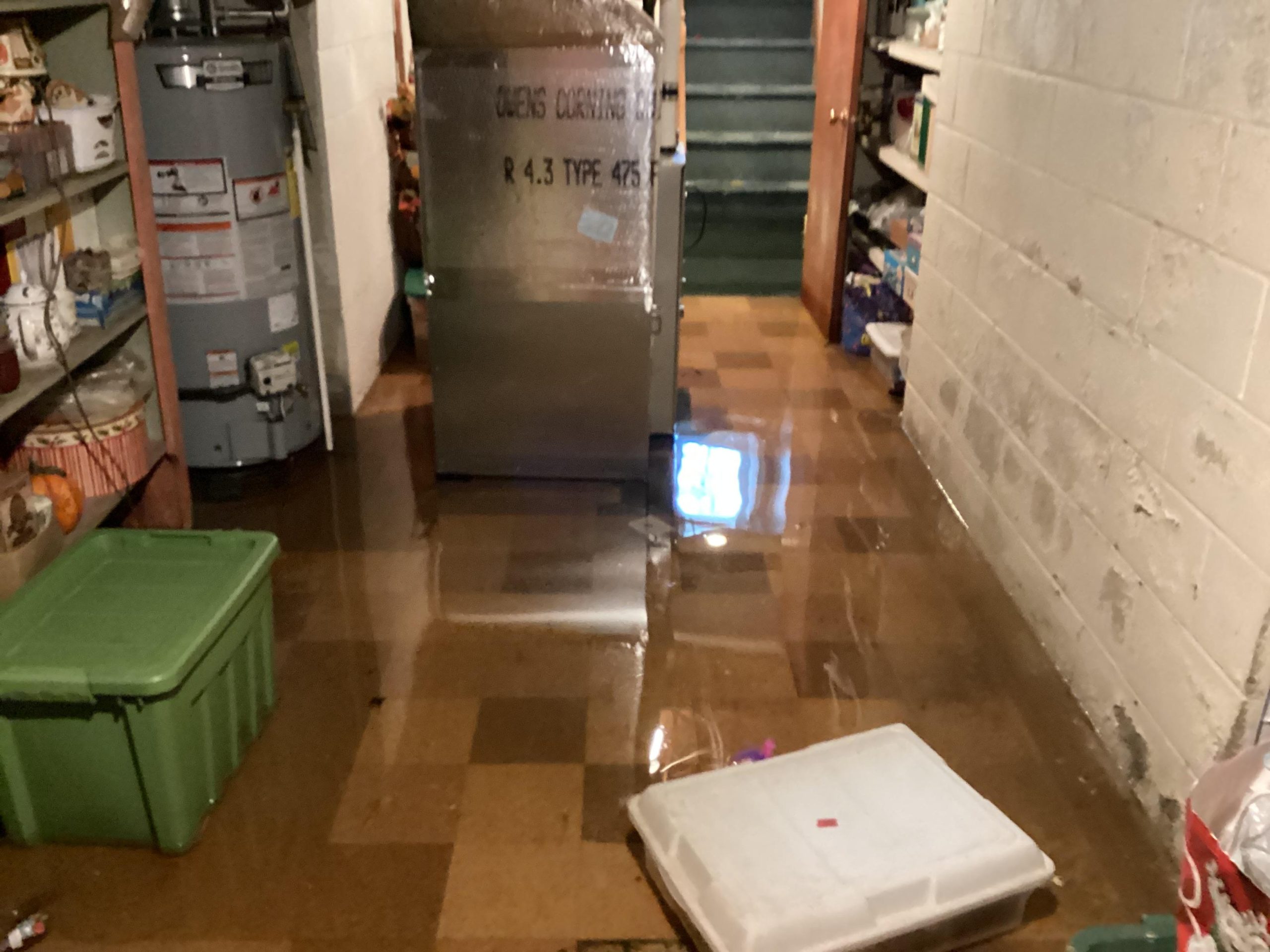
Mold remediation takes anywhere from 1 to 7 days for most residential jobs, though large or severe infestations can stretch to 2 weeks or more. The exact timeline depends on the size of the affected area, the type of mold present, and how deeply it has penetrated building materials. This guide covers every stage of the remediation process so York, PA homeowners know exactly what to expect.
Understand What Affects the Mold Remediation Timeline
No two mold jobs are identical. A small bathroom ceiling spot takes far less time than black mold spreading across an unfinished basement after a pipe burst. Several key factors determine how long does mold remediation take in your specific situation.
- Size of the affected area: A 10-square-foot patch may take one day. A 200-square-foot area can take three to five days.
- Mold type: Toxic black mold (Stachybotrys) requires more aggressive containment than common surface molds like Cladosporium.
- Material penetration: Mold on drywall or wood framing requires removal of those materials, adding days to the job.
- Source of moisture: If the water source is not fixed before remediation starts, timelines can double.
- Air drying time: After treatment, affected areas must dry completely before reconstruction. In humid York summers, this can take longer.
- Permit or inspection requirements: Some larger jobs in York, PA require a post-remediation clearance test before walls can be closed up.
Addressing the moisture source is not optional. Major Restoration always identifies and documents the origin of moisture before any remediation work begins. Skipping this step is the single biggest reason mold comes back.
See a Day-by-Day Mold Remediation Timeline
Here is a realistic breakdown of what happens at each stage of a standard residential mold remediation project. Timelines assume a moderate infestation of 10 to 50 square feet, which is the most common scenario Major Restoration handles in the York area.
| Day | Activity | Notes |
|---|---|---|
| Day 1 | Inspection and moisture testing | Identifies extent of growth and moisture source |
| Day 1-2 | Containment setup | Plastic barriers, negative air pressure machines installed |
| Day 2-3 | Removal of contaminated materials | Drywall, insulation, or flooring removed if needed |
| Day 3-4 | HEPA vacuuming and antimicrobial treatment | All surfaces cleaned and treated with EPA-registered products |
| Day 4-5 | Drying and dehumidification | Commercial dehumidifiers run until moisture readings normalize |
| Day 5-7 | Clearance testing and sign-off | Air samples confirm spore counts are within safe levels |
Reconstruction of removed materials, such as new drywall or insulation, happens after clearance. That phase is handled separately and adds additional time depending on scope.
Compare Timelines by Job Size and Severity
The most practical way to estimate your timeline is to match your situation to a job category. These ranges reflect real-world projects in York, PA and surrounding York County communities like Hanover, Red Lion, and Spring Grove.
| Job Category | Affected Area | Typical Timeline | Common Locations |
|---|---|---|---|
| Minor | Under 10 sq ft | 1 to 2 days | Bathroom grout, window sills |
| Moderate | 10 to 50 sq ft | 2 to 5 days | Crawl spaces, under sinks, closets |
| Large | 50 to 100 sq ft | 5 to 7 days | Basements, attics after roof leak |
| Severe | Over 100 sq ft | 1 to 3 weeks | Whole-room or multi-room contamination |
York County homes built before 1980 often have older insulation and wood framing that absorbs mold more deeply. This can push a job from the moderate to large category even when the visible surface area looks small.
Know What Happens During Each Remediation Phase
Understanding the specific tasks in each phase helps you ask better questions and spot shortcuts that could compromise the job. Here is what a legitimate remediation process includes.
- Initial inspection: A certified technician assesses visible mold, checks moisture levels with a meter, and may recommend air sampling to identify hidden colonies.
- Containment: Polyethylene sheeting is sealed around the work zone. Negative air pressure machines with HEPA filters prevent spores from spreading to clean areas of your home.
- Material removal: Porous materials like drywall, carpet, and insulation that cannot be cleaned are bagged and removed according to EPA guidelines.
- Surface treatment: Remaining structural surfaces are HEPA vacuumed, wiped down, and treated with EPA-registered antimicrobial solutions such as Benefect or similar botanical products.
- Drying: Commercial-grade dehumidifiers and air movers run until all moisture readings are within acceptable limits, usually below 16 percent for wood.
- Post-remediation verification: Air samples or surface swabs are taken by a third-party industrial hygienist to confirm spore counts have returned to normal outdoor levels.
Major Restoration follows the IICRC S520 standard for mold remediation on every project. This is the industry benchmark and it protects you as a homeowner if insurance questions arise later.
Recognize Factors That Delay Mold Remediation in York, PA
York, PA has a humid continental climate. Hot, humid summers and wet springs create ideal conditions for mold growth, and those same conditions can slow the drying phase of remediation. Knowing these local delay factors helps you plan better.
- High outdoor humidity: When outdoor relative humidity exceeds 70 percent, which happens frequently in York from June through August, drying times can increase by one to two days.
- Basement construction: Many York homes have older block-foundation basements that hold moisture. These require longer drying cycles than poured concrete.
- Hidden mold discovery: When walls are opened, technicians sometimes find mold has spread further than surface testing indicated. This extends the scope and timeline.
- Insurance documentation delays: If you are filing a homeowner’s insurance claim, some carriers require their adjuster to inspect before work begins, adding one to three days.
- Delayed moisture source repair: A leaking pipe or failing roof must be repaired before remediation can begin. Coordinating with a plumber or roofer adds scheduling time.
York’s older housing stock, especially homes in neighborhoods like Elmwood or the West End, often has multiple moisture intrusion points. A thorough inspection at the start saves time and money later.
Learn When You Can Return Home During Remediation
One of the first questions homeowners ask is whether they can stay in the house during the remediation process. The answer depends on where the mold is located and how aggressive the containment needs to be.
For minor jobs in a single bathroom or under a sink, most families can remain in the home with no issue. The work zone is sealed, and daily life in other parts of the house is not affected.
For moderate to large jobs, especially those involving toxic black mold or multi-room contamination, temporary relocation is strongly recommended. Disturbed mold releases massive numbers of spores into the air during removal, and even with containment, sensitive individuals like children, the elderly, or anyone with respiratory conditions should not be present.
Ask your remediation company directly. A reputable company like Major Restoration will give you an honest, specific recommendation based on the actual conditions in your home, not a blanket policy.
FAQs on How Long Does Mold Remediation Take
Can mold remediation be done in one day?
Yes, for very small areas under 10 square feet, remediation can often be completed in a single day. This applies to surface mold on non-porous materials like tile or glass where no material removal is needed. Drying and clearance testing may still add a day.
How long does it take for mold to come back after remediation?
Mold will not return if the moisture source is permanently corrected and the area is properly dried and treated. If moisture returns through a new leak or ongoing humidity problems, mold can begin growing again within 24 to 48 hours. Prevention is ongoing, not a one-time fix.
Do I need to leave my house during mold remediation?
It depends on the severity and location of the mold. Small, contained jobs usually allow you to stay home. Large jobs or those involving toxic mold species warrant temporary relocation, especially for children and people with allergies or asthma. Your remediation technician should advise you specifically.
How long does mold remediation take in a basement?
Basement remediation typically takes 3 to 7 days for moderate cases. Basements in York, PA are often partially finished with wood framing, drywall, and carpet, all of which absorb mold and require removal. Concrete block foundations also hold more moisture and need longer drying time.
Is a clearance test required after mold remediation?
A clearance test is not legally required in Pennsylvania for residential mold jobs, but it is strongly recommended. The test verifies that airborne spore counts are at acceptable levels before reconstruction begins. Major Restoration recommends clearance testing on all moderate and large jobs as a protection for homeowners.
What should I do while waiting for mold remediation to start?
Run a dehumidifier in the affected area if it is safe to enter. Do not disturb the mold by scrubbing or painting over it. Block off the area from foot traffic and avoid running HVAC systems that circulate air through the contaminated space, as this spreads spores through the ductwork.
Wrap Up and Next Steps
Most mold remediation projects in York, PA take between 1 and 7 days, with the timeline driven by the size of the affected area, the type of materials involved, and how quickly the moisture source is addressed. Acting fast shortens the job and reduces total cost.
If you have discovered mold in your home, contact Major Restoration today for a professional inspection. Our team serves York and all of York County, and we can often get a technician to your property within 24 hours. Call us or fill out our online form to schedule your assessment and get a clear timeline for your specific situation.