
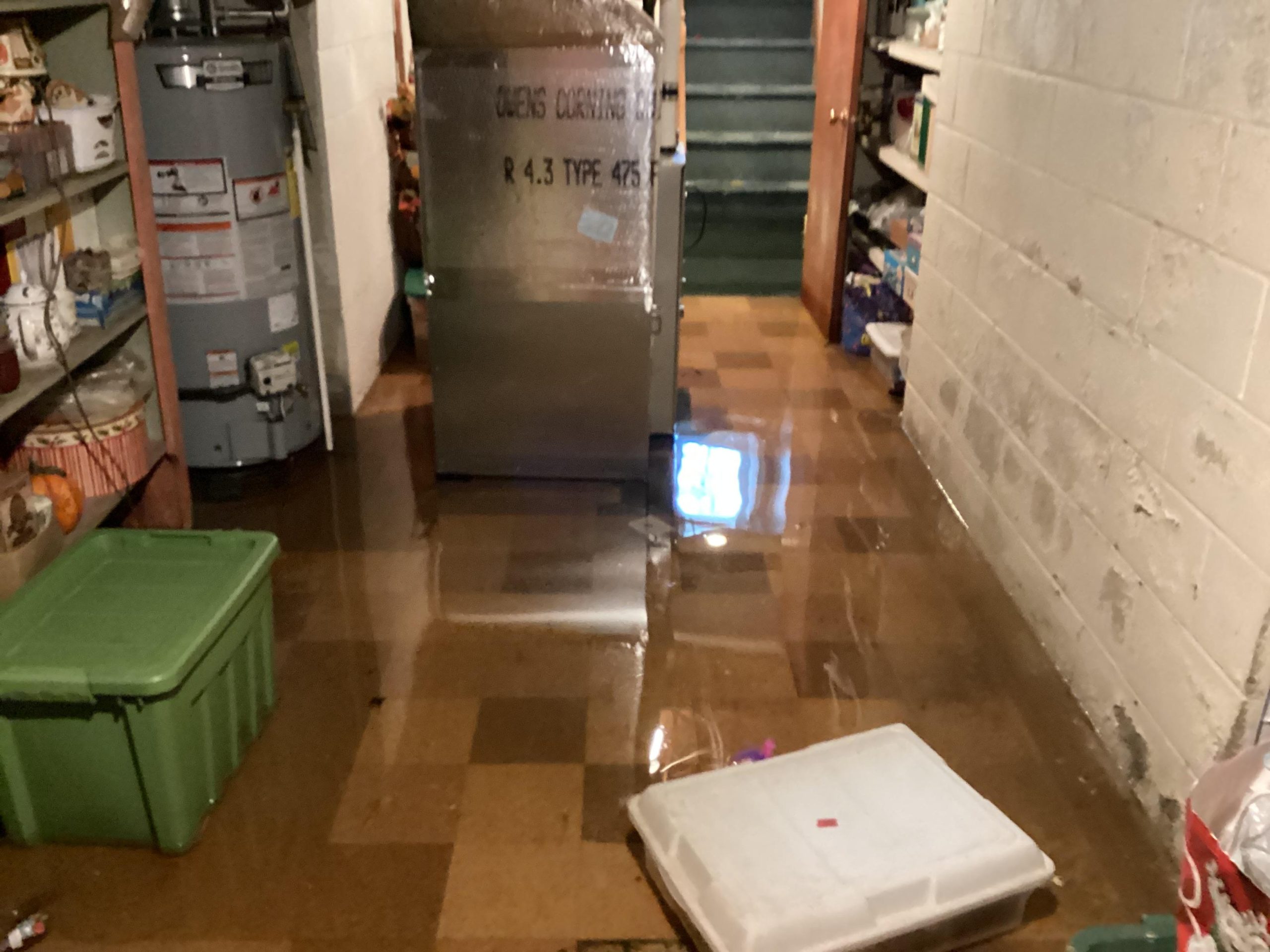
Reconstruction after water damage typically takes anywhere from one to two weeks for minor incidents and three or more months for serious structural damage. The timeline depends on how much water entered your home, how long it sat, and what systems or materials were affected. This article walks you through each phase of the reconstruction process, what slows things down, and what York, PA homeowners specifically need to know.
Understand the Stages of Water Damage Reconstruction
Reconstruction does not begin the moment water is removed. There is a defined sequence of steps, and each one must be completed before the next can start. Skipping steps creates bigger problems later, including mold and structural failure.
- Emergency water extraction: Standing water is removed using pumps and wet vacuums. This typically takes a few hours to one day.
- Structural drying: Industrial air movers and dehumidifiers dry out walls, subfloors, and framing. This takes three to five days on average.
- Damage assessment and scoping: A restoration contractor evaluates what must be torn out and replaced. This takes one to three days.
- Demolition and removal: Damaged drywall, insulation, flooring, and cabinetry are removed. This phase takes one to four days depending on scope.
- Mold remediation (if needed): Any mold growth must be addressed before reconstruction begins. This adds three to seven days or more.
- Reconstruction: Framing, drywall, flooring, and finishes are reinstalled. This is the longest phase and varies widely by damage level.
- Final inspection and cleanup: A final walkthrough ensures all work meets code and quality standards.
Major Restoration coordinates all of these stages for York homeowners, which keeps the process moving without long gaps between contractors.
Compare Timelines by Damage Severity
Not every water damage situation is the same. A burst pipe in a single bathroom looks very different from a basement flood that soaked structural beams for several days. Here is a general breakdown of what to expect based on damage level.
| Damage Level | Description | Estimated Timeline |
|---|---|---|
| Minor | Small leak, one room affected, caught quickly | 1 to 2 weeks |
| Moderate | Multiple rooms, some flooring and drywall replacement needed | 3 to 6 weeks |
| Severe | Structural damage, mold present, multiple systems affected | 2 to 4 months |
| Catastrophic | Flooding throughout home, foundation or framing compromised | 4 to 6+ months |
These are general estimates. Your specific home, the materials involved, and contractor availability all affect the actual timeline. Older homes in York, PA with plaster walls or original hardwood floors may take longer to restore properly.
Identify What Slows Down the Reconstruction Process
Delays are frustrating, but understanding the common causes helps you plan better. Some delays are unavoidable, while others can be minimized with the right contractor and quick action on your part.
- Slow insurance approval: Waiting for an adjuster and written approval before work can start can add one to three weeks to a project.
- Material lead times: Specialty flooring, cabinetry, or fixtures may have to be ordered and can take weeks to arrive.
- Permit delays: York City and York County require permits for structural, electrical, and plumbing work. Processing can take one to two weeks.
- Hidden damage discovery: Once walls are opened, contractors sometimes find additional mold, rotted framing, or outdated wiring that must be addressed.
- Incomplete drying: If the structure is not fully dry before rebuilding begins, moisture gets trapped and mold grows inside new walls.
- Contractor scheduling gaps: Using separate companies for mitigation and reconstruction can create scheduling gaps of days or weeks.
Working with a single contractor who handles both mitigation and reconstruction, like Major Restoration, eliminates many of these handoff delays.
Review York, PA Permit Requirements That Affect Timelines
York homeowners often do not realize that reconstruction work requires permits, and permits take time. This is not something you can skip. Unpermitted work can create problems when you sell your home or file future insurance claims.
In York City, building permits are issued through the York City Bureau of Permits and Inspections. York County properties fall under municipal permit offices, which vary by township. Common reconstruction work that requires a permit includes:
- Any structural repairs to walls, floors, or roof systems
- Electrical work, including panel replacement or rewiring
- Plumbing repairs or rerouting
- HVAC system replacement or relocation
- Changes to the building footprint or load-bearing walls
A permit for a straightforward reconstruction project in York County typically takes five to ten business days to process. More complex projects or those in York City with historic district considerations may take longer.
Your contractor should pull all required permits on your behalf. If a contractor suggests skipping permits to save time, that is a red flag.
Understand How Drying Time Affects Your Rebuild Start Date
One of the most important things York homeowners need to understand is that reconstruction cannot start until the structure is certified dry. This is not a matter of opinion. Moisture meters and thermal imaging cameras are used to verify that readings meet acceptable levels before any new materials go in.
Standard drying takes three to five days with professional equipment. However, several factors extend that window in this region:
| Factor | How It Affects Drying Time |
|---|---|
| High humidity (common in York summers) | Slows evaporation, may add one to three days |
| Concrete or block foundations | Hold moisture longer, may need seven or more days |
| Dense insulation in walls | Traps moisture, often requires removal before drying |
| Multilevel saturation | Water that traveled through floors needs longer dry time |
| Cold temperatures in winter | Reduces equipment efficiency, adds one to three days |
York, PA experiences humid summers and cold winters, both of which can complicate drying. A restoration company familiar with local climate conditions will account for these variables in their drying plan.
Know What You Can Do to Speed Up the Process
You are not powerless in this situation. Homeowners who act quickly and stay organized consistently see shorter timelines than those who wait or delay decisions.
- Call for help immediately: The longer water sits, the more damage spreads. Every hour matters in the first 24 to 48 hours.
- Document everything before cleanup: Take photos and video of all damage for your insurance claim before anything is moved or removed.
- Contact your insurance company right away: Starting the claims process early gives the adjuster time to review while mitigation is underway.
- Make decisions quickly: Material selections, contractor approvals, and scope decisions that stall add real days to your project.
- Choose a contractor who manages the whole project: A single point of contact eliminates the gap between water mitigation and reconstruction.
- Ask about permit timelines upfront: A good contractor will pull permits early in the process so they are ready when construction begins.
Staying involved and responsive throughout the process is the single most effective thing you can do to keep your project on schedule.
FAQs on Water Damage Reconstruction Timelines
Can I stay in my home during reconstruction?
It depends on the scope of damage. Minor repairs to one room often allow you to stay home. Widespread damage affecting kitchens, bathrooms, or HVAC systems usually requires temporary relocation. Your contractor should give you a clear recommendation based on the specific conditions in your home.
Does mold always form after water damage?
Mold can begin growing within 24 to 48 hours of water exposure in the right conditions. It does not always develop, especially if water is extracted quickly and drying begins fast. Mold is more likely in areas with poor ventilation, warm temperatures, and organic materials like drywall and wood.
How does water damage reconstruction affect my homeowners insurance?
Most standard homeowners policies cover sudden and accidental water damage, such as a burst pipe, but not gradual leaks or flooding. You will need to file a claim, receive an adjuster visit, and get written approval before most insurance companies will authorize reconstruction work. Ask your contractor if they work directly with insurance adjusters, as this speeds up the process significantly.
What is the difference between water mitigation and reconstruction?
Water mitigation is the process of stopping damage from spreading, removing water, and drying the structure. Reconstruction is the rebuilding phase where damaged materials are replaced and the home is restored to its pre-loss condition. Both phases are necessary, and the mitigation phase must be fully complete before reconstruction begins.
How do I know if a contractor is doing the drying correctly?
A reputable contractor will use moisture meters and document readings daily. They should provide you with drying logs showing moisture levels in affected areas over time. If a contractor cannot show you documentation of the drying process, that is a warning sign that the work may not be done to a proper standard.
Is reconstruction after water damage expensive in York, PA?
Costs vary widely based on damage severity, materials, and labor. Minor reconstruction projects in York may cost a few thousand dollars, while major structural repairs can exceed fifty thousand dollars or more. Insurance coverage, the age of your home, and material choices all factor into final costs. Getting a detailed written estimate is essential before any work begins.
Wrap Up and Next Steps
Water damage reconstruction timelines range from one to two weeks for minor damage to several months for severe structural situations. Acting fast, working with an experienced local contractor, and staying on top of insurance decisions are the best ways to keep your project moving.
If your York, PA home has been affected by water damage, contact Major Restoration today. Our team handles everything from emergency water extraction through full reconstruction, so you work with one company and avoid costly delays. Call us now to schedule an assessment and get your home on the path to recovery.