
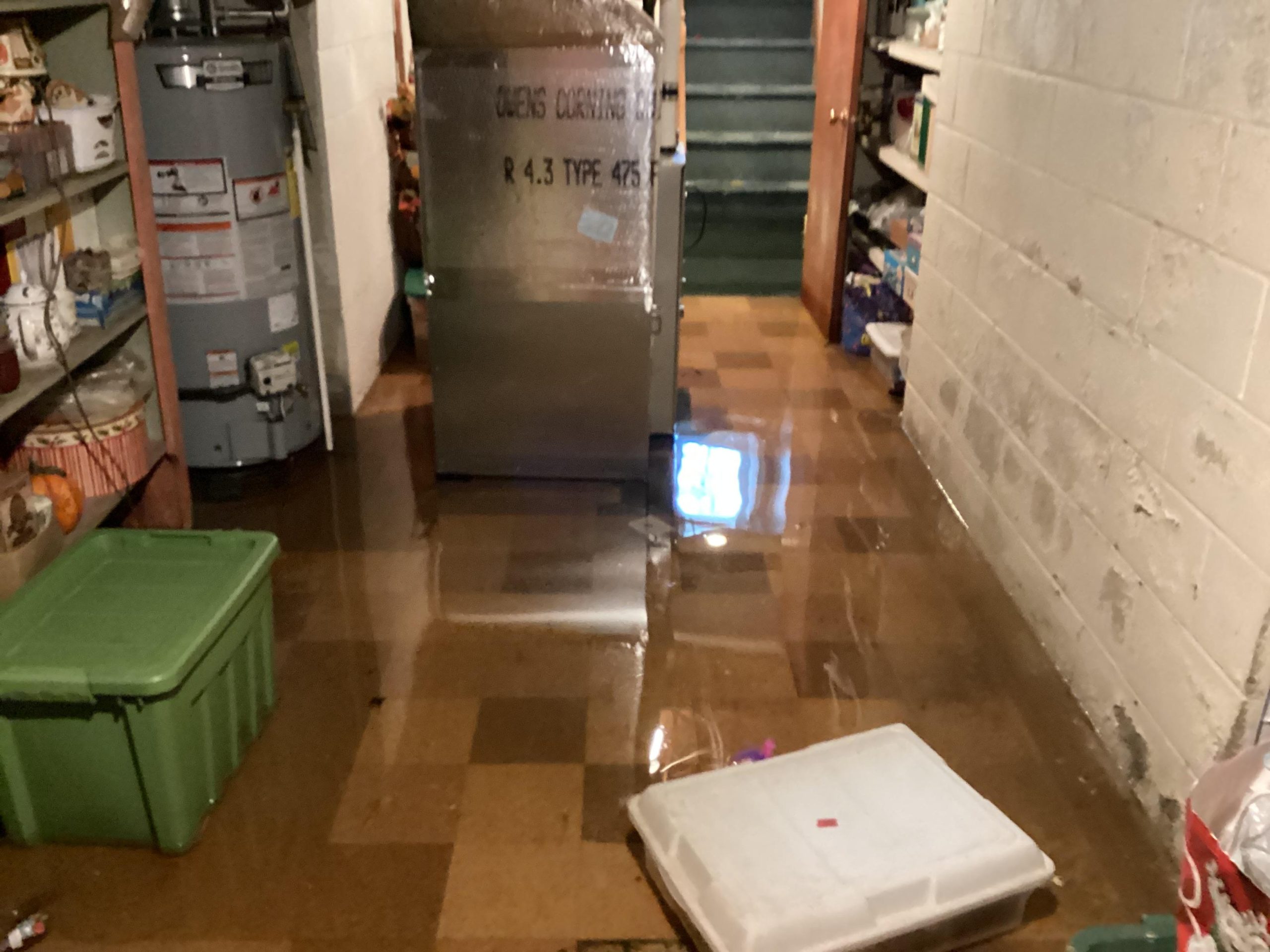
Written by Major Restoration | Published on July 2025
Sewage cleanup takes anywhere from 3 to 7 days for most residential situations, though larger or more contaminated areas can take up to 2 weeks. The timeline depends on the size of the affected space, the category of sewage involved, and how quickly the cleanup begins. This article walks you through each phase of the process, what slows things down, and what York, PA homeowners should expect when dealing with a sewage backup.
Understand the Three Categories of Sewage Contamination
Not all sewage situations are equal. Restoration professionals classify water and sewage damage into three categories, and your category directly affects how long cleanup will take.
| Category | Description | Estimated Cleanup Time |
|---|---|---|
| Category 1 | Clean water from a broken supply line | 1 to 3 days |
| Category 2 | Gray water with contaminants (washing machine overflow) | 2 to 5 days |
| Category 3 | Black water with raw sewage, bacteria, and pathogens | 5 to 14 days |
Most sewage backups fall into Category 3. This is the most hazardous classification and requires full protective equipment, antimicrobial treatment, and in many cases, removal of affected drywall, flooring, and insulation.
Category 3 cleanup cannot be rushed without risking incomplete disinfection. Skipping steps can leave behind bacteria like E. coli and pathogens that pose serious health risks to your family.
Break Down Each Phase of the Sewage Cleanup Process
Sewage cleanup is not a single task. It moves through several distinct phases, each with its own time requirement. Understanding this helps you set realistic expectations.
- Assessment and containment (Day 1): A technician inspects the affected area, identifies the source, and sets up containment to prevent cross-contamination to other parts of your home.
- Extraction (Day 1 to 2): Sewage and standing water are removed using industrial pumps and wet vacuums. This can take several hours to a full day depending on volume.
- Material removal (Day 2 to 3): Porous materials that absorbed sewage, such as carpet, drywall, and insulation, are safely removed and disposed of according to local regulations.
- Disinfection and antimicrobial treatment (Day 2 to 4): All surfaces are treated with hospital-grade disinfectants. This step is critical for Category 3 situations.
- Drying and dehumidification (Day 3 to 7): Industrial air movers and dehumidifiers run continuously to dry out structural materials. Moisture readings are taken daily to confirm progress.
- Post-remediation testing (Day 5 to 7): Air quality and surface testing may be performed to confirm the space is safe before reconstruction begins.
Major Restoration follows this phased approach on every job. Each step is documented so you have a clear record for your insurance claim.
Identify What Factors Slow Down Sewage Cleanup
Several variables can push your cleanup timeline toward the longer end of the range. Knowing these factors helps you understand why a job might take longer than expected.
- Delayed response: Every hour sewage sits, it soaks deeper into floors, walls, and subfloors. A backup that sits overnight is significantly harder to remediate than one addressed within 2 hours.
- Large affected area: A backup that covers a finished basement with carpet, drywall, and furniture requires far more work than an unfinished utility room.
- Structural saturation: If sewage has reached floor joists, wall cavities, or concrete block foundations, drying times increase substantially.
- High ambient humidity: York, PA summers are humid. High outdoor humidity slows the drying process, which is why professionals use dehumidifiers rather than just opening windows.
- Mold development: If mold has already started growing before cleanup begins, mold remediation must be added to the process, adding 1 to 3 days.
- Insurance documentation requirements: Some insurance carriers require additional documentation or a third-party assessor before work can proceed, which can add days to the overall timeline.
Calling a restoration company immediately after you discover a sewage backup is the single most effective way to keep your timeline as short as possible.
Compare Sewage Cleanup Timelines by Affected Area Size
The square footage affected is one of the biggest drivers of how long your cleanup will take. Here is a general breakdown based on what Major Restoration sees on jobs throughout the York, PA area.
| Affected Area | Typical Scenario | Estimated Timeline |
|---|---|---|
| Under 100 sq ft | Small bathroom or utility room backup | 3 to 4 days |
| 100 to 300 sq ft | Bathroom plus adjacent hallway or bedroom | 4 to 6 days |
| 300 to 600 sq ft | Partial finished basement | 5 to 8 days |
| 600 sq ft or more | Full basement or multi-room ground floor | 7 to 14 days |
These ranges assume cleanup begins promptly and no mold remediation is required. Older York-area homes with stone foundations or original hardwood floors may require additional drying time due to the density of the materials.
Know What York, PA Homeowners Need to Handle After Sewage Damage
York, PA has specific considerations that affect sewage cleanup situations. Many homes in York and surrounding townships like Springettsbury, West Manchester, and Spring Garden were built before 1980 and may have older sewer lines prone to root intrusion and blockages.
Pennsylvania also follows IICRC S500 and S520 standards for water and mold remediation. Licensed contractors are expected to meet these standards on every job. Make sure any company you hire is familiar with these guidelines.
York City and York County homeowners should also be aware that some sewage backups originate from the municipal sewer system rather than your own plumbing. In those cases, you may have a claim against the municipality, which requires documentation from your restoration company.
Additionally, York’s older housing stock means lead paint and asbestos are a real possibility in materials that need to be removed during sewage cleanup. A reputable restoration company will test for these hazards before demolition begins to keep workers and residents safe.
Understand When You Can Return Home During Cleanup
One of the most common questions homeowners ask is whether they can stay in the house while cleanup is happening. The honest answer depends on the scope of the contamination.
- Small, contained areas: If the backup is limited to one room and that room is properly sealed off, the rest of the house may be safe to occupy.
- Large or whole-floor events: If sewage has spread across a significant portion of a floor or has caused airborne contamination, temporary relocation is strongly recommended for health and safety reasons.
- Odor and air quality: Even if a space looks clean, airborne bacteria and gases from sewage can be harmful. Trust your restoration technician’s guidance on occupancy.
- Children, elderly, or immunocompromised residents: These individuals are at higher risk from sewage-related pathogens and should vacate until post-remediation testing confirms the space is safe.
Major Restoration technicians will give you a clear occupancy recommendation on day one after assessing the full scope of the damage. Your safety is always the first priority before any other timeline consideration.
FAQs on Sewage Cleanup Timelines
Can I clean up sewage backup myself to save time?
Technically you can attempt it, but Category 3 sewage contains dangerous pathogens that require professional-grade disinfectants and protective equipment. DIY attempts often miss contaminated areas inside walls or under flooring, which leads to mold growth and health risks weeks later. Professional cleanup protects both your health and your home’s structure.
How long does the drying phase take after sewage cleanup?
The drying phase typically takes 3 to 5 days using industrial air movers and dehumidifiers. Technicians take moisture readings daily and equipment stays in place until readings reach acceptable levels. In humid York summers, this phase may take a day or two longer than in drier conditions.
Will my homeowner’s insurance cover sewage cleanup in York, PA?
Standard homeowner’s insurance policies in Pennsylvania often exclude sewage backup unless you have a specific rider or endorsement. Review your policy carefully and call your insurance agent immediately after a backup occurs. Major Restoration works directly with insurance companies and can help document the damage for your claim.
What happens if sewage cleanup is not done quickly enough?
Mold can begin growing within 24 to 48 hours in a sewage-affected area. Structural materials like drywall and subflooring absorb contamination quickly, making them harder or impossible to save. Fast action is the most important factor in keeping your timeline short and your restoration costs lower.
Does sewage cleanup include repairing walls and floors afterward?
Cleanup and remediation are separate from reconstruction. Once the affected area is dry and cleared, a contractor handles replacing drywall, flooring, and other materials. Some restoration companies, including Major Restoration, can coordinate both phases so you have a single point of contact through the entire process.
How do I know when sewage cleanup is truly finished?
Cleanup is complete when moisture readings return to normal levels, surfaces pass disinfection standards, and any post-remediation air or surface testing comes back clear. Your restoration company should provide a written clearance report before reconstruction begins. Do not skip this step, especially if you plan to file an insurance claim.
Wrap Up and Next Steps
Sewage cleanup takes 3 to 7 days for most York, PA homes, but acting fast is the biggest factor in keeping that timeline on the shorter end. Waiting even a few extra hours can mean more material removal, longer drying times, and a higher chance of mold developing.
Major Restoration is based in York and responds to sewage backup calls throughout York County. If you are dealing with a backup right now, do not wait to call. Contact Major Restoration today to schedule an immediate assessment and get your home back to safe, dry conditions as quickly as possible.