
Written by Major Restoration | Published on July 2025
Water damage can reduce a home’s property value by 10 to 30 percent, and in severe cases, even more. Untreated damage drives away buyers, flags issues during inspections, and can make financing nearly impossible. This article covers how water damage impacts your home’s value in York, PA, what appraisers look for, and how to recover your equity after a water event.
Understand How Water Damage Lowers Appraised Value
Appraisers are trained to spot water damage signs, even ones you think are hidden. Stained ceilings, warped floors, musty odors, and peeling paint all raise red flags. Each visible sign can result in a downward adjustment on your appraisal report.
In York, PA, the average home is appraised around $180,000 to $250,000 depending on the neighborhood. A 15 percent value reduction on a $200,000 home means losing $30,000 in equity instantly.
Appraisers also consider cost-to-cure, which is the estimated cost to repair all identified damage. If the repair estimate is high, the appraised value drops to reflect that burden on the buyer. This is why fast response to water events matters so much.
Major Restoration often works directly with homeowners who call us right after an appraisal comes back low. Getting a professional restoration done before listing can protect tens of thousands in value.
Identify the Types of Water Damage That Hurt Value Most
Not all water damage carries the same financial penalty. The source of the water matters, and so does how long it sat before being addressed.
| Type of Water Damage | Average Value Impact | Key Risk Factor |
|---|---|---|
| Burst pipe (clean water) | 5 to 10 percent | Structural drying needed quickly |
| Roof leak (rain intrusion) | 8 to 15 percent | Mold risk if undetected for weeks |
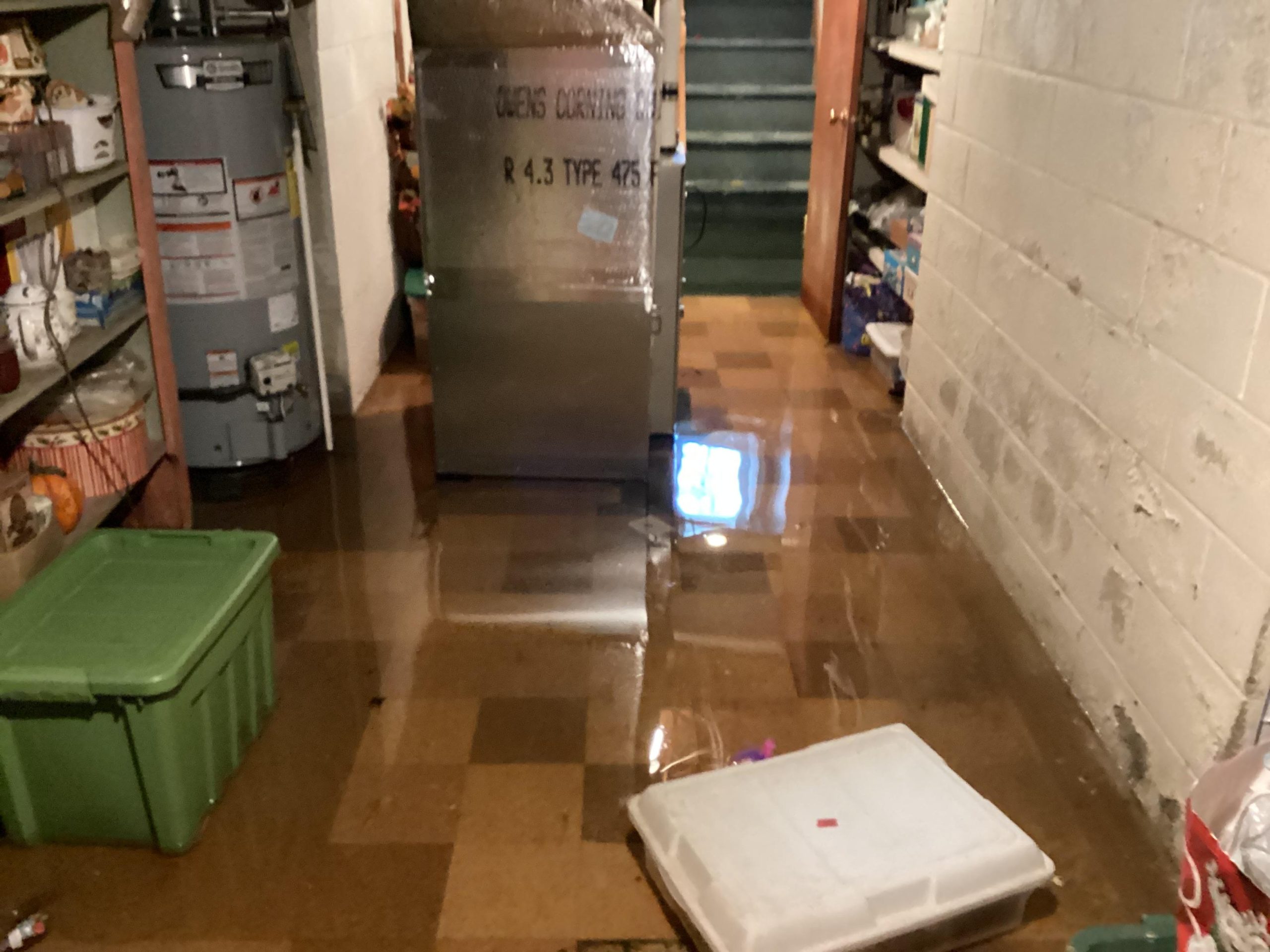
| Basement flooding | 10 to 25 percent | Foundation and framing concerns |
| Sewage backup | 15 to 30 percent | Biohazard contamination, full remediation required |
| Long-term hidden leak | 20 to 35 percent | Mold growth, rot, structural compromise |
Sewage and long-term hidden leaks do the most damage because they introduce contaminants and allow mold to establish deep inside walls and framing. Buyers and lenders treat these with the most caution.
Recognize What Home Buyers in York, PA Look For
York’s real estate market is competitive, and buyers here are increasingly savvy about inspection results. Many buyers now request specialized moisture inspections in addition to standard home inspections.
Here is what buyers and their inspectors commonly check for in York homes:
- Water stains on ceilings, walls, and basement floors
- Musty or mildew odors, especially in basements and crawl spaces
- Warped or buckled hardwood and laminate flooring
- Soft spots in drywall or ceilings that indicate past saturation
- Visible mold or discoloration near windows, vents, or pipes
- Efflorescence on basement walls, which signals water intrusion
- Evidence of previous sump pump failure or standing water
York’s older housing stock, with many homes built in the 1940s through 1970s, means basements and crawl spaces are common concerns. Buyers know this and pay close attention during inspections.
Even if you have repaired damage, buyers want documentation. Having records from a licensed restoration company like Major Restoration can actually reassure buyers and prevent value loss at negotiation.
Compare the Cost of Restoration vs. Lost Property Value
One of the most practical ways to think about water damage is to compare what restoration costs against what ignoring it will cost you when you sell.
| Scenario | Restoration Cost | Estimated Value Loss if Untreated |
|---|---|---|
| Minor basement water intrusion | $1,500 to $3,500 | $10,000 to $20,000 |
| Burst pipe with drywall damage | $2,000 to $6,000 | $15,000 to $30,000 |
| Roof leak with mold growth | $4,000 to $12,000 | $20,000 to $45,000 |
| Sewage backup, affected living area | $7,000 to $20,000 | $30,000 to $60,000 |
In nearly every case, investing in professional restoration returns far more than it costs. The math is straightforward: spend $5,000 now, or lose $25,000 at closing.
Pennsylvania does not require sellers to disclose all past water damage in every situation, but buyers can sue for nondisclosure of known material defects. Restoration with documentation protects you legally and financially.
Understand How Mold Multiplies the Financial Damage
Mold is the single biggest multiplier of water damage costs. Once mold establishes itself inside walls, under flooring, or in a crawl space, the remediation cost and the impact on value both jump significantly.
Mold can begin growing in as little as 24 to 48 hours after water intrusion. In York’s humid summers, that window is even shorter. A slow drip under a sink, left for a few weeks, can become a $10,000 mold remediation problem.
Here is how mold affects the selling process specifically:
- Mortgage lenders, including FHA and VA lenders, often will not approve loans on homes with visible active mold
- Home inspectors are required to note mold presence, and this goes directly into the inspection report
- Buyers can legally walk away from a purchase contract if mold is discovered during inspection
- Even after remediation, some buyers require a clearance test from an independent industrial hygienist
- Mold disclosure can trigger price renegotiations of 5 to 15 percent off the agreed sale price
Major Restoration handles both water extraction and mold remediation so that York homeowners do not have to coordinate multiple contractors during an already stressful situation.
Protect Your York, PA Home Value After a Water Event
Acting fast is the single most important thing you can do after any water event. Every hour that water sits in your home increases the damage and the cost to restore it.
Here are the steps to take immediately:
- Stop the water source if possible. Turn off the main water supply or contact your utility.
- Call a licensed restoration company within the first hour if water covers flooring or has reached walls.
- Document everything with photos and video before any cleanup begins. Your insurance company will need this.
- Contact your homeowner’s insurance provider and open a claim. Most standard policies cover sudden water events.
- Do not run fans or HVAC systems if sewage or contaminated water is present. This spreads contaminants.
- Keep all receipts, estimates, and restoration documentation for your records and for future buyers.
York homeowners should also know that Pennsylvania’s rainy springs and freeze-thaw cycles in winter create recurring risk for foundation seepage and pipe bursts. A yearly inspection of your basement waterproofing and plumbing can catch problems before they become expensive.
If you are planning to sell within the next one to three years, address any existing moisture issues now. A pre-listing water inspection can identify problems early and give you time to restore properly without rush.
FAQs on Water Damage and Property Value
Does water damage have to be disclosed when selling a home in Pennsylvania?
Pennsylvania requires sellers to disclose known material defects, which includes known water damage and mold. Failing to disclose can result in legal liability after the sale. Proper documentation of completed restoration protects you as a seller.
Can a home with water damage be sold as-is in York, PA?
Yes, but expect a significantly lower offer. Buyers purchasing as-is factor in remediation costs plus a risk premium, often discounting by 20 to 40 percent below market value. Restoring the property before listing almost always results in a higher net return.
How long does it take for water damage to affect structural integrity?
Wood framing can begin to soften and weaken within 72 hours of sustained water contact. Prolonged exposure over weeks leads to rot, which compromises load-bearing structures. This is why fast drying by professionals is critical, not just surface cleanup.
Will homeowner’s insurance cover water damage restoration costs?
Standard homeowner’s insurance typically covers sudden and accidental water damage, such as a burst pipe or appliance failure. Flooding from outside sources usually requires separate flood insurance. Gradual leaks from deferred maintenance are often excluded, so review your policy carefully.
How do I know if my home has hidden water damage before buying or selling?
Hire a certified home inspector and consider adding a moisture or infrared scan to the inspection. These tools detect water behind walls and under floors that a visual inspection would miss. In York, PA, this extra step is especially valuable in older homes with older plumbing systems.
How much does professional water damage restoration cost in York, PA?
Most water damage restoration projects in York range from $1,500 for minor incidents to $20,000 or more for major flooding or sewage events. The final cost depends on square footage affected, materials involved, and whether mold remediation is needed. Getting an on-site estimate is the only way to get an accurate number.
Wrap Up and Next Steps
Water damage is one of the fastest ways to lose equity in your York, PA home. Addressing it quickly and professionally is almost always the smarter financial choice compared to waiting, selling as-is, or trying to handle it yourself.
Major Restoration is based in York and serves homeowners across the area with water damage restoration, mold remediation, and emergency response. Our team responds fast because we know every hour counts when it comes to protecting your property value.
Call Major Restoration today to schedule an assessment, request a quote, or get emergency help. The sooner you act, the more of your home’s value you protect.