
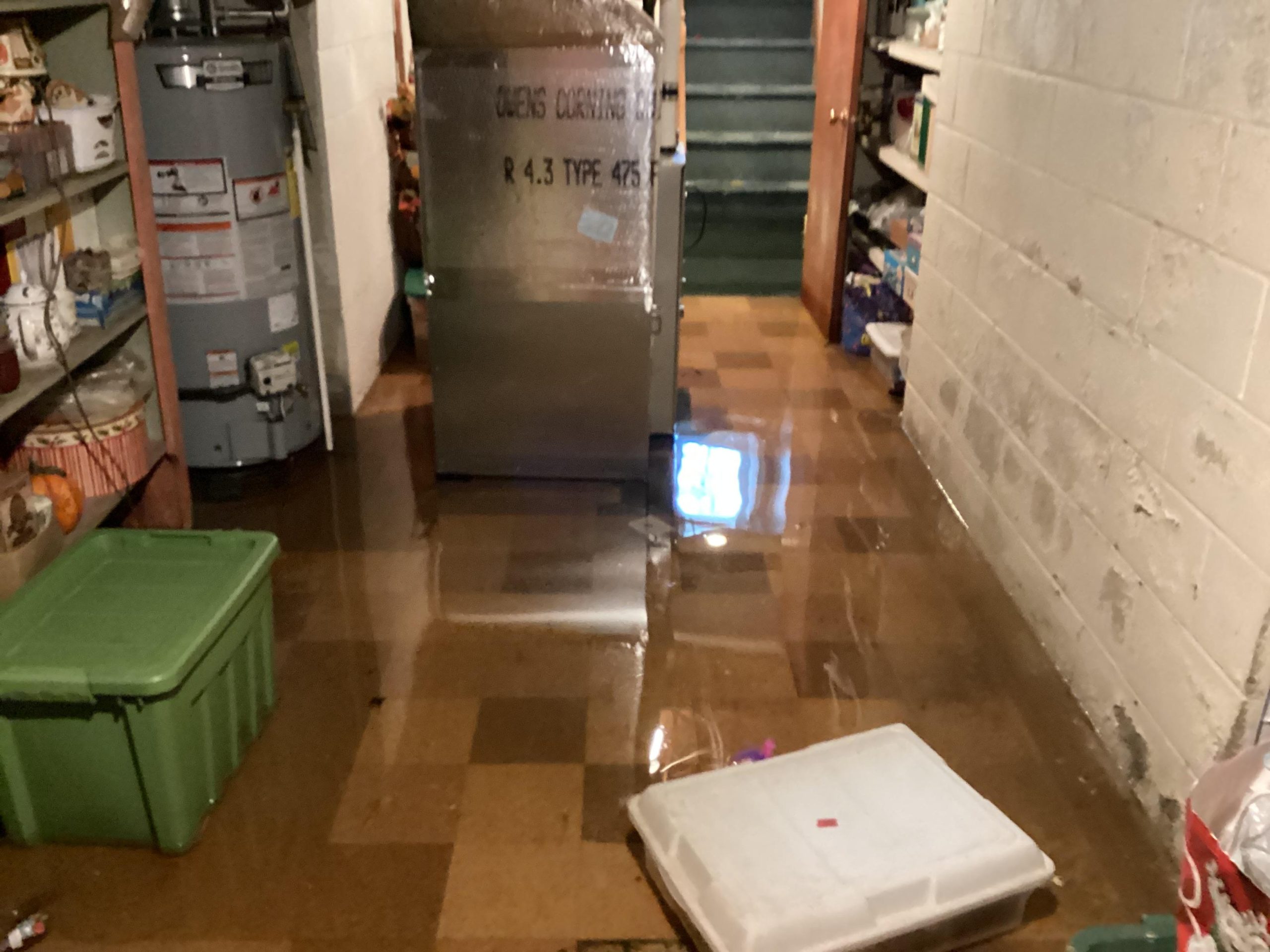
Written by Major Restoration | Published on June 2025
Firefighting water damage is cleaned up using industrial extraction equipment, high-capacity air movers, dehumidifiers, and antimicrobial treatments, with full drying typically taking 3 to 10 days. The process also involves assessing structural damage, salvaging contents, and preventing mold before it takes hold. This article breaks down every stage of the cleanup so York, PA homeowners know exactly what to expect after a fire event.
Understand Why Firefighting Water Damage Is Different
Water from a fire hose is not the same as a burst pipe or a flooded basement. Firefighters can pump 100 to 250 gallons of water per minute onto a structure. That volume soaks walls, floors, insulation, and furniture in a very short time.
The water also carries soot, ash, and chemical residue from fire suppression foam or retardants. This contaminated water is categorized as Category 3 water, the most hazardous classification, requiring protective equipment and specialized disposal procedures.
Structural materials like drywall, subfloor plywood, and wood framing absorb this water quickly. Without fast intervention, mold can begin growing within 24 to 48 hours. The combination of heat damage and water damage makes this one of the most complex restoration scenarios a homeowner can face.
Walk Through the Full Firefighting Water Damage Cleanup Process
The cleanup follows a defined sequence. Skipping steps or rushing through them leads to lingering moisture, mold growth, and structural failure down the road. Here is the full process in order:
- Emergency assessment: A restoration crew inspects the property to identify safety hazards, document damage, and determine the scope of water intrusion.
- Water extraction: Truck-mounted or portable extractors remove standing water from floors, carpets, and low-lying areas. This is the fastest step and typically takes a few hours.
- Debris removal: Charred materials, saturated insulation, and damaged drywall are removed to expose wet structural components underneath.
- Drying equipment setup: Industrial air movers and dehumidifiers are placed throughout the structure to begin evaporating moisture from surfaces and the air.
- Moisture monitoring: Technicians use moisture meters and thermal imaging cameras daily to track drying progress inside walls and under floors.
- Antimicrobial treatment: Affected surfaces are treated with EPA-registered antimicrobial agents to inhibit mold and bacterial growth.
- Content restoration: Salvageable furniture, documents, and personal items are cleaned, dried, and stored offsite if needed.
- Structural repairs: Once drying targets are met, reconstruction of damaged walls, flooring, and ceilings begins.
Compare Drying Equipment Used in Firefighting Water Cleanup
The equipment used matters a great deal. Residential fans and household dehumidifiers are not sufficient for firefighting water damage. Restoration companies use commercial-grade equipment rated for high-volume moisture removal.
| Equipment Type | Purpose | Typical Output |
|---|---|---|
| Truck-mounted extractor | Remove standing water fast | Up to 200 gallons per hour |
| Industrial air mover | Accelerate surface evaporation | 1,500 to 3,000 CFM per unit |
| LGR dehumidifier | Pull moisture from the air | 100 to 200 pints per day |
| Desiccant dehumidifier | Dry in cold or low-humidity conditions | Varies by model |
| Thermal imaging camera | Detect hidden moisture in walls | Non-invasive detection |
| Moisture meter | Measure wood and drywall moisture content | Readings in percentage |
Major Restoration uses LGR dehumidifiers and high-velocity air movers on every firefighting water damage job. Equipment is monitored and adjusted daily based on moisture readings, not just left running and forgotten.
Recognize the Timeline and Cost Ranges for Cleanup in York, PA
York, PA homeowners often ask how long the process takes and what it costs. Both depend on the size of the affected area and the severity of water intrusion. Pennsylvania’s humid summers can also slow drying times compared to drier climates.
| Damage Level | Estimated Drying Time | Typical Cost Range |
|---|---|---|
| Minor (one room affected) | 3 to 5 days | $2,000 to $5,000 |
| Moderate (multiple rooms) | 5 to 7 days | $5,000 to $15,000 |
| Severe (whole structure) | 7 to 14 days | $15,000 to $50,000+ |
These figures cover water damage cleanup only. Smoke and fire damage restoration is billed separately and adds to the total. Most standard homeowners insurance policies in Pennsylvania cover firefighting water damage as part of the fire loss claim.
York County homes built before 1980 often have older subfloor materials like particleboard that absorb water faster and are more difficult to dry. These structures sometimes require more aggressive drying protocols or full subfloor replacement.
Identify What Gets Removed Versus What Can Be Saved
Not everything that gets wet has to be thrown out. Restoration professionals make decisions based on material type, contamination level, and the degree of saturation. Here is a general breakdown:
- Drywall: Usually removed when saturated because it crumbles, harbors mold, and cannot be effectively dried once contaminated with soot water.
- Hardwood flooring: Sometimes salvageable if extraction begins within the first few hours. Cupping and buckling can be reversed with aggressive drying in some cases.
- Carpet and padding: Almost always removed and discarded after firefighting water exposure due to Category 3 contamination.
- Insulation: Fiberglass batt insulation is discarded. Spray foam may survive if the surrounding structure is sound.
- Structural framing: Wood studs and joists are often salvageable if dried properly. Charred framing is assessed by a structural engineer before any decision is made.
- Personal belongings: Electronics, furniture, clothing, and documents can sometimes be restored using specialized freeze-drying, ozone treatment, or ultrasonic cleaning.
Major Restoration documents every item before removal and works with your insurance adjuster to maximize what is covered and what is salvageable. Nothing is discarded without your awareness.
Prevent Mold After Firefighting Water Damage in York, PA
Mold is the most common secondary problem after firefighting water damage. York, PA experiences warm, humid summers with average July humidity levels above 70 percent. That outdoor humidity adds to the moisture load inside a structure that is already saturated.
Mold can begin colonizing wet surfaces within 24 to 48 hours. By the time visible mold appears, spore counts inside the structure are already elevated and potentially dangerous. This is why speed matters so much in the first 24 hours after a fire event.
Key mold prevention steps taken during firefighting water damage cleanup include:
- Treating all affected surfaces with EPA-registered antimicrobial solutions
- Maintaining continuous airflow using air movers to prevent stagnant humid pockets
- Removing wet materials like insulation and drywall quickly before they become mold food sources
- Controlling indoor humidity below 50 percent using commercial dehumidifiers
- Conducting post-drying air quality testing to confirm spore counts are within safe ranges
If mold is already present when cleanup begins, it must be remediated before drying work continues. Mold remediation adds both time and cost to the project but skipping it is never an option.
FAQs on Firefighting Water Damage Cleanup
Is firefighting water damage covered by homeowners insurance?
Yes, in most cases. Firefighting water damage is considered part of the fire loss event and is typically covered under the fire damage section of a standard homeowners insurance policy. You should file a single claim that covers both fire and water damage together. Contact your insurer immediately after the fire to begin the claims process.
How long does it take to dry out a house after firefighters use water?
Drying typically takes 3 to 10 days depending on the size of the affected area, the materials involved, and ambient humidity. York, PA’s humid climate can extend drying times during summer months. Restoration technicians use daily moisture readings to track progress and adjust equipment placement as needed.
Can I stay in my house during firefighting water damage cleanup?
In most cases, no. Category 3 contaminated water, soot particles, high humidity, and industrial drying equipment make the environment unsafe and impractical for occupants. Your insurance policy likely covers temporary housing costs while cleanup and repairs are completed. Ask your adjuster about additional living expense coverage.
What happens if firefighting water damage is not cleaned up quickly?
Delays allow mold to establish within 24 to 48 hours. Prolonged moisture weakens structural wood framing, causes subfloor delamination, and leads to much higher repair costs. Contaminated water sitting in walls and under floors also creates serious health hazards. Fast response is the single most important factor in limiting total damage.
Does soot in the water make cleanup more complicated?
Yes, significantly. Soot-contaminated water is classified as Category 3 water, requiring hazmat-level precautions, specialized cleaning agents, and proper disposal of removed materials. Technicians must wear protective gear, and surfaces must be treated with antimicrobial agents after cleaning. Standard water damage cleanup protocols are not sufficient for this type of event.
How do I choose a restoration company after a house fire in York, PA?
Look for a company that is IICRC certified, has experience with both fire and water damage restoration, and can respond within a few hours of your call. Ask whether they handle insurance documentation directly and whether they use commercial-grade drying equipment. Local companies familiar with York County building conditions and local code requirements are often the best choice.
Wrap Up and Next Steps
Firefighting water damage is one of the most serious restoration scenarios a homeowner can face, but a structured cleanup process with the right equipment and trained professionals can protect your home and limit long-term damage. Speed, proper drying, mold prevention, and clear documentation are the keys to a successful recovery.
Major Restoration serves York, PA and the surrounding York County area with 24/7 emergency response for firefighting water damage, mold remediation, and full structural restoration. Call us today or request a quote online to get a restoration team on site fast.