
Written by Major Restoration
Published on June 2024
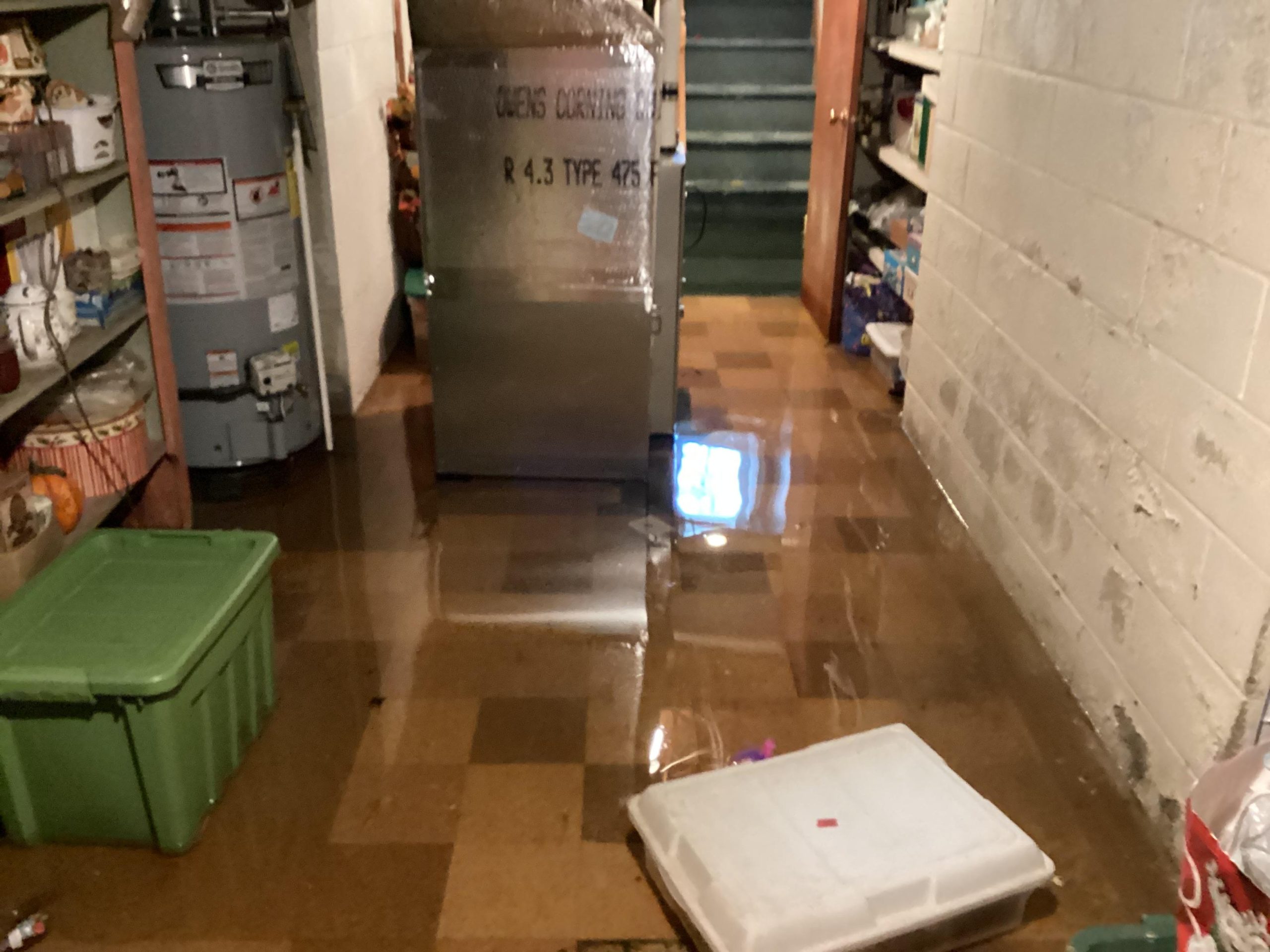
Water damage requires reconstruction when standing water sits for more than 48 hours, when structural materials like subfloor or framing have absorbed moisture, or when contamination from sewage or floodwater makes materials unsafe to keep. In York, PA, we see this most often after basement flooding, burst pipes in older row homes, and storm surges near Codorus Creek. This article walks through the specific signs that separate a simple dry-out job from a full reconstruction project, what it costs, and how the process works locally.
Identify the water categories that typically trigger reconstruction
Not all water is equal, and the category of water involved often decides whether reconstruction is necessary. Restoration professionals classify water damage into three categories based on contamination level.
- Category 1 (clean water): From a supply line or rainwater. Usually repairable if addressed within 24-48 hours.
- Category 2 (gray water): From washing machines, dishwashers, or sump pump backups. Often requires removal of porous materials like carpet padding and some drywall.
- Category 3 (black water): From sewage backups, flooding, or water that sat long enough to grow bacteria. This almost always requires reconstruction because materials cannot be sanitized to a safe standard.
If your York home flooded from a nearby creek or storm drain backup, you’re likely dealing with Category 3 water, which means drywall, insulation, and flooring typically need to come out and get replaced.
Recognize structural warning signs that go beyond drying
Sometimes damage looks minor on the surface but points to deeper structural issues. Watch for these signs that indicate reconstruction, not just drying equipment, is needed.
- Sagging or soft spots in flooring, especially near bathrooms or kitchens
- Visible warping or buckling in hardwood or laminate floors
- Drywall that feels soft, crumbles, or shows bubbling paint
- A persistent musty smell even after the area appears dry
- Cracks in walls or ceilings that appeared after a water event
- Electrical outlets or switches that were submerged
Many homes in York’s older neighborhoods, like those near downtown with original plaster walls, show damage differently than newer drywall construction. Plaster can look intact while hiding moisture behind it for weeks, which is why a moisture meter reading matters more than a visual check.
Compare repair timelines and reconstruction timelines
Homeowners often ask how long each path takes. The table below breaks down typical timelines for straightforward drying jobs versus full reconstruction in the York, PA area.
| Scope of Work | Typical Timeline | Common Materials Affected |
|---|---|---|
| Dry-out only (Category 1) | 2-4 days | Minimal, surfaces remain intact |
| Partial repair (Category 2) | 5-10 days | Carpet, padding, baseboards, some drywall |
| Full reconstruction (Category 3) | 3-8 weeks | Drywall, subfloor, insulation, flooring, cabinetry |
| Structural rebuild (major flooding) | 2-4 months | Framing, load-bearing walls, electrical, plumbing |
Major Restoration schedules a detailed moisture assessment before quoting any job, since two homes with similar flooding can need very different scopes of work depending on how long water sat and what materials were involved.
Understand material-specific damage thresholds
Different building materials have different tolerances for water exposure. This table shows general guidelines we use when deciding whether something can be saved or needs replacement.
| Material | Safe to Dry If | Usually Replace If |
|---|---|---|
| Drywall | Exposed less than 24 hours, clean water | Saturated more than 24 hours or any black water contact |
| Subfloor (plywood/OSB) | Minor surface moisture, quick response | Swelling, delamination, or soft spots present |
| Hardwood flooring | Caught within hours, proper drying equipment used | Cupping, crowning, or gaps wider than 1/8 inch |
| Insulation (fiberglass) | Rarely salvageable once wet | Almost always, it loses R-value and traps moisture |
| Carpet and padding | Clean water, dried within 48 hours | Any sewage contact or mold odor present |
Know how York’s climate and older housing stock factor in
York County’s humid summers and freeze-thaw winters both play a role in how water damage progresses. High summer humidity slows natural drying and speeds up mold growth, which can begin within 24 to 48 hours in an untreated wet space.
Winter brings a different risk. Frozen and burst pipes are common in older York homes with outdated plumbing, and the resulting water damage often hits wall cavities and crawl spaces that are hard to inspect without opening up the structure.
Many homes in York City and surrounding boroughs like West York and Spring Garden Township were built before 1950. These homes often have balloon-frame construction, which lets water travel between floors inside wall cavities, making hidden damage far more likely than in newer builds.
Follow the insurance and permit process in York, PA
Reconstruction projects almost always involve your homeowner’s insurance policy and may require permits from York City or York County depending on the scope of work.
- Document damage with photos and video before any cleanup begins
- Contact your insurance adjuster within 24 to 48 hours of discovering damage
- Request an itemized scope of work from your restoration contractor
- Check with York City’s permit office if reconstruction involves electrical, plumbing, or structural changes
- Keep all receipts and communication for your insurance claim file
Major Restoration works directly with most major insurance carriers and can help walk you through documentation requirements, which often speeds up claim approval and reduces back-and-forth delays.
FAQs on water damage reconstruction
How do I know if my water damage is bad enough for reconstruction?
If water sat for more than 48 hours, came from a sewage backup, or affected subfloor and framing, you likely need reconstruction rather than simple drying. A professional moisture assessment can confirm the extent of damage behind walls and under flooring.
Can mold growth mean I need reconstruction instead of cleaning?
Yes, if mold has spread into porous materials like drywall or insulation, cleaning the surface won’t solve the problem. Reconstruction removes and replaces the affected materials so mold doesn’t return.
Does homeowners insurance cover water damage reconstruction?
Most policies cover sudden and accidental water damage, like a burst pipe, but typically exclude flooding from outside sources unless you have separate flood insurance. Review your policy or ask Major Restoration to help interpret your coverage.
How much does water damage reconstruction cost in York, PA?
Costs vary widely based on square footage and materials affected, but homeowners in York typically see reconstruction costs ranging from $8,000 to $45,000 for significant flooding. Smaller, localized reconstruction jobs can run $3,000 to $7,000.
Can I live in my home during water damage reconstruction?
It depends on the scope of the work and which areas of the home are affected. If only one room or section needs reconstruction, most families can stay put, but larger projects involving electrical or structural work may require temporary relocation.
Wrap up and next steps
Water damage requires reconstruction when contamination, prolonged exposure, or structural compromise makes simple drying unsafe or ineffective. Catching the warning signs early, from musty odors to soft flooring, can save you from a much bigger rebuild down the road.
If you’re dealing with water damage anywhere in York, PA or the surrounding county, call Major Restoration for a free on-site assessment. We’ll give you an honest answer on whether your home needs repair or reconstruction, and we’ll walk you through every step of the process.